See more of our coverage in your search results.
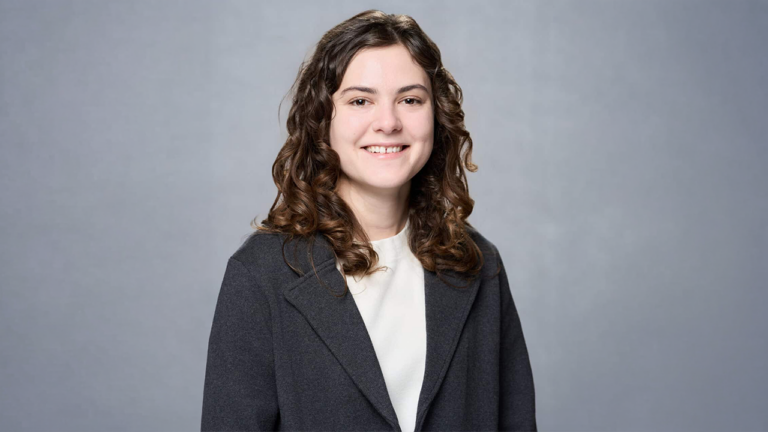
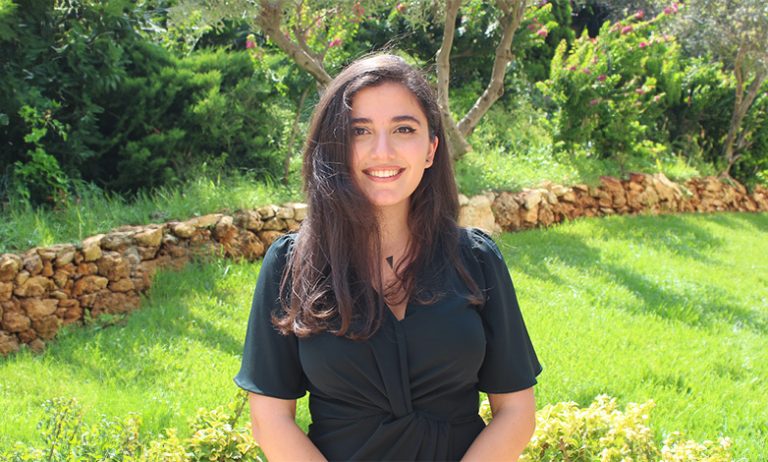
Add Brown School News on Google (opens in a new tab)Saria Bechara, a social work doctoral student at the WashU Brown School, has received grant funding to launch a community-based volleyball and leadership program for Afghan refugee girls and young women in the St. Louis region.
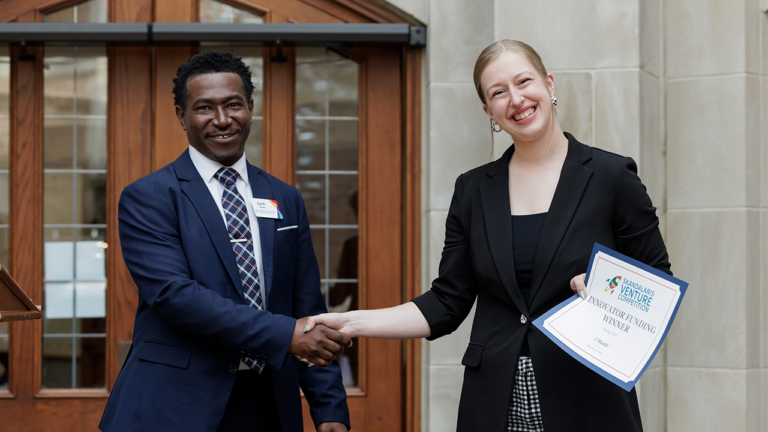
Bechara received a Transform Grant through the St. Louis Impact Fund to establish the Afghan Refugee Girls’ Volleyball Leadership League in partnership with Monarch Immigrant Services.
Supported by WashU’s Office of the Provost and donations to the Gephardt Institute for Civic and Community Engagement, Transform Grants fund student-led projects that address regional priorities through partnerships with local nonprofit and civic organizations.
The pilot program will begin this fall and run through April 2027, bringing together 20 Afghan refugee girls and young women ages 13 to 22. Participants will attend weekly Saturday morning volleyball practices paired with leadership workshops focused on civic engagement, voting rights, legal literacy, public speaking, college applications and entrepreneurship.
Grant funding will provide volleyball equipment, culturally appropriate athletic wear, food and water during practices, and interpretation services. Bechara also plans to invite guest speakers from the WashU community and organize scrimmages with university intramural and club teams to help participants build connections beyond their immediate communities.
Bechara said the program will provide a safe, private space where girls can participate in physical activity that supports mental well-being, physical health, stress reduction, and community building.
The initiative grew out of more than a year of collaboration among Bechara, Monarch Immigrant Services and Afghan community leaders, who identified a need for safe, culturally appropriate and accessible spaces where girls and young women could gather outside school and religious settings.
“A practical proof of concept already existed,” Bechara said, referring to an Afghan men’s volleyball league in St. Louis. “It was so positively received that the girls asked for their own league.”
St. Louis is home to a large Afghan refugee population, Bechara said, making the region a natural place to develop a model organizers hope can eventually expand to other refugee communities.
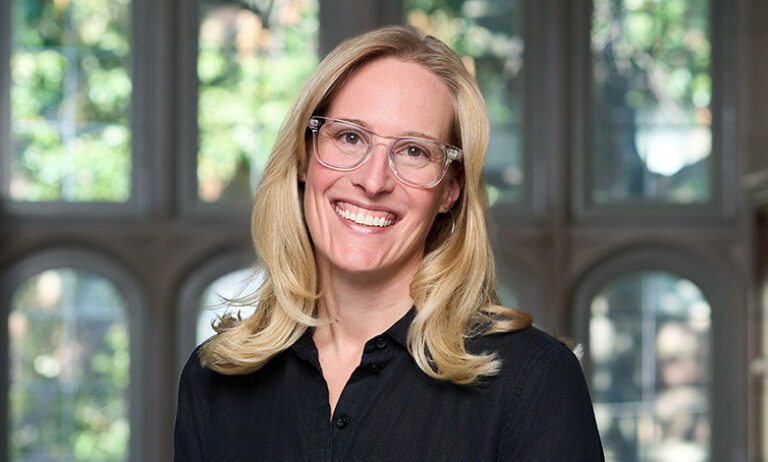
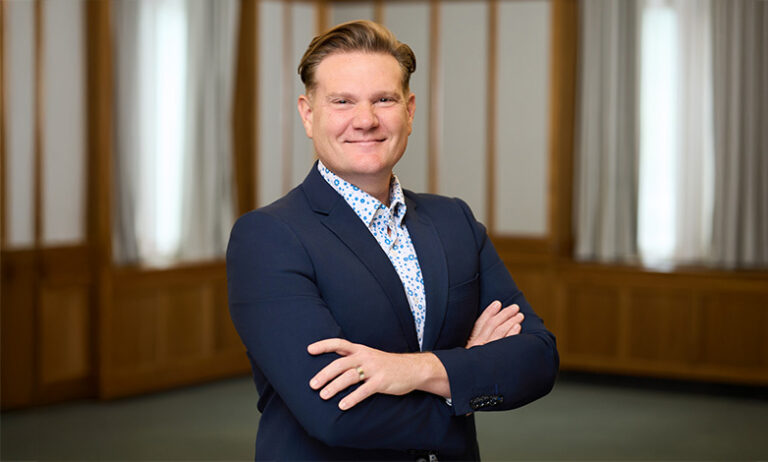
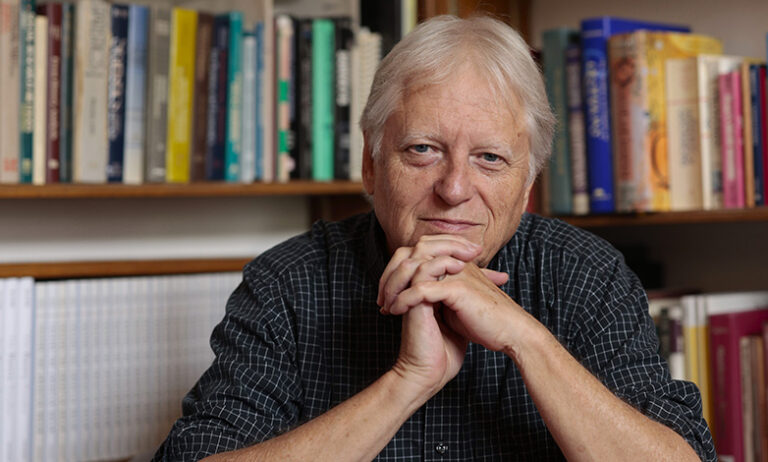
Bechara first connected with Monarch Immigrant Services through research with Mitra Naseh, an assistant professor at the Brown School and founding director of the Forced Migration Initiative. Naseh’s research with the region’s Afghan community led Bechara to collaborate with Monarch on projects addressing immigrant and refugee needs. Through that work, Bechara connected with Jason Baker, executive director of Monarch Immigrant Services, and Haroon Safi, a Monarch staff member, Afghan community leader and president of the U.S. Afghan Chamber of Commerce in St. Louis.
Bechara, Baker and Safi co-developed the initiative. Monarch Immigrant Services and Safi are co-leading the project by helping design the leadership curriculum, recruiting coaches, interpreters, and child care providers, organizing weekly sessions, and coordinating outreach through trusted community networks.
“Their active involvement helps ensure that this program is designed by and for the community,” Bechara said.
Organizers said the program aims to promote physical and mental well-being, reduce stress and provide a consistent sense of stability and belonging that can be difficult for refugee youth to find. They hope participants will build confidence and skills across three pillars: social integration and mental well-being; soft skill development; and leadership and self-advocacy.
“This project is about so much more than volleyball,” Bechara said. “It’s about creating a space where Afghan girls and young women feel safe, seen, and supported at a time when resources for refugee communities are becoming increasingly scarce and the political climate has created real fear and uncertainty.”

Bechara said the strongest validation for the program has come from the community itself.
“We are not coming into this community with a solution; we are responding to what they told us they need,” she said. “We see this as just the beginning. By documenting everything we learn and creating a replicable model, we hope the program can expand beyond the Afghan community to welcome and support St. Louis’s newest residents. When newcomers to St. Louis thrive, the entire region does, too.”