See more of our coverage in your search results.
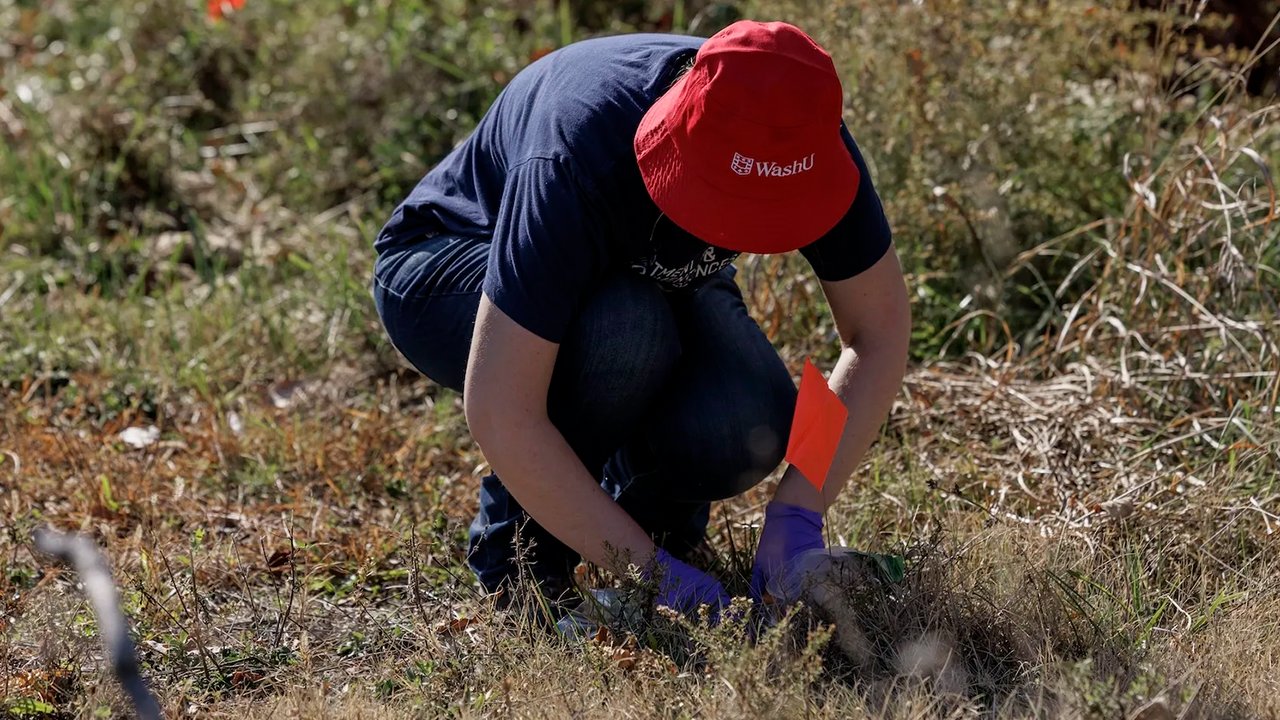
St. Louis is no stranger to the dangers of lead exposure, and in the aftermath of the May 16, 2025, tornado, people were worried. What does all that disturbed matter mean for people’s health? That question has sprung a team of academics into action over the past few months, testing soil for lead, and standing up further initiatives to proactively respond to the ongoing tornado recovery effort.
Jeff Catalano, a professor of earth, planetary, and environmental sciences at Washington University, had questions. After fears of the potential risk for lead paint exposure following last year’s Palisades fire in Los Angeles, Catalano and others at WashU had the same thought following the tornado. “The thought was: well, this tornado dispersed a bunch of building material, maybe that’s also a hazard,” he says. That concern is shared by some residents and organizers in the tornado’s impact area, and local officials have also voiced concern.
That doesn’t mean the risk is zero; it just suggests the problem areas pre-date the tornado.
Soil tests so far in the zone of impact have yielded “splotchy” results, Catalano tells SLM. Some spots test well below the normal threshold, while others are significantly higher.
“What I think we’re finding is that I don’t think the tornado introduced any lead of substantial amount … but I think there’s a lot of lead in the city, just from these historical things. It’s this legacy problem,” Catalano says.
The project is part of a broader project organized by WashU’s Brown School. CLEAN STL started by testing vacant lots owned by the city’s land bank, the Land Reutilization Authority, then moved on to test lots with buildings on them through partnerships with local organizations like Better Family Life, 4theVille, and LOVEtheLOU.