
See more of our coverage in your search results.
In a classroom at the WashU Brown School, students in an aging policy course are moving beyond traditional assignments, crafting op-eds, building websites and designing policy materials aimed at real-world impact.
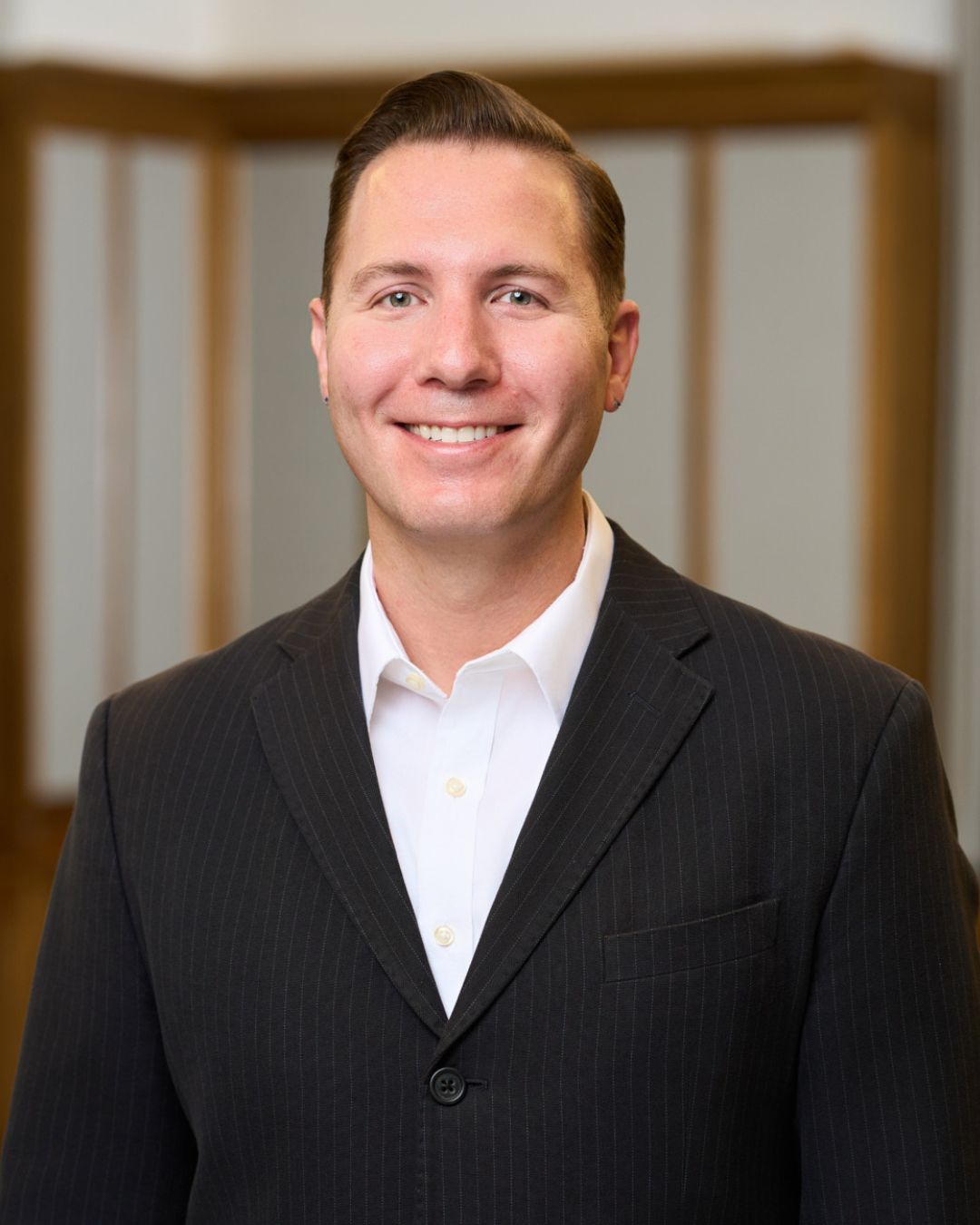
The projects come from “Social Policies, Services and Programs in Aging,” a course taught by Cal J. Halvorsen, associate professor and assistant dean for faculty affairs at the Brown School and co-director of the Harvey A. Friedman Center for Aging. The course examines social policies related to aging across public and private sectors, including income security, health care, employment, social services, taxes, housing, and retirement systems.
“I want them to have something they can actually show an employer that they’ve done and that they’re proud of,” Halvorsen said. “I don’t want them to have a stack of double-spaced APA-style papers. I do everything in my power to make this course relevant to people who aren’t even in the aging specialization.”
Instead, assignments are designed to be flexible, allowing students to tailor projects to their professional interests. The course, part of the Brown School’s aging specialization, is open to students across concentrations and emphasizes applied learning beyond the classroom.
Projects have included a caregiver website built with artificial intelligence tools, an infographic created with digital design software and an op-ed published in The Hill. In that piece, student Liz Smith advocated for caregiving credits in Social Security, arguing that unpaid family caring can reduce women’s financial security in retirement.
Smith said the course stood out for its focus on creativity and real-world application.
“I could sing the praises of this course forever and still have things to say about it,” she said. “The class was one of the best courses I have taken in my graduate career. Cal’s philosophy on flexible assignments allowed for creativity and exploration while still showcasing competency in policy and aging studies.”
She said the format also encouraged collaboration among students.
“This class fostered deep conversations and felt more like a meeting of the minds that emphasized collaborative learning than a traditional lecture-based environment,” she said. “I would highly recommend this class to anyone, regardless of their major or career focus. We are all aging, and the lessons learned in this class apply to many aspects of that process.”
Smith graduated in May with a master’s degree in social work and will begin a doctoral program at the Brown School this fall.
The course’s first assignment asks students to plan for their own financial security in retirement. In doing so, students learn about 401(k) plans, 403(b) plans and pensions, as well as the ways many – but not all – employers support retirement savings. Although students have adapted this assignment based on their interests and experiences, most choose to run retirement planning calculators to estimate how much they will need to save by retirement age. They also examine the importance of saving early to benefit from compound interest and consider how they, as future leaders in social work, can support their employees’ retirement security.
Many of Halvorsen’s former students have returned after accepting their first job offers to say this assignment, in particular, helped them evaluate how potential employers would support their overall financial security.
Despite growing demand for aging-related services nationwide, Halvorsen said courses in the field often struggle to attract students. He attributed part of the challenge to limited exposure many students have to older adults outside their own families.
“There’s a nervousness about working with this population that feels so different to them,” he said. “But older adults are incredibly diverse.”
That perception gap matters, he said, because aging policy touches nearly every area of social work and health care practice, no matter a student’s eventual career path.
“Whether students plan to work in child welfare, mental health or clinical settings, they’ll inevitably work with older adults, either as primary clients or as caregivers of their clients,” Halvorsen said.