See more of our coverage in your search results.
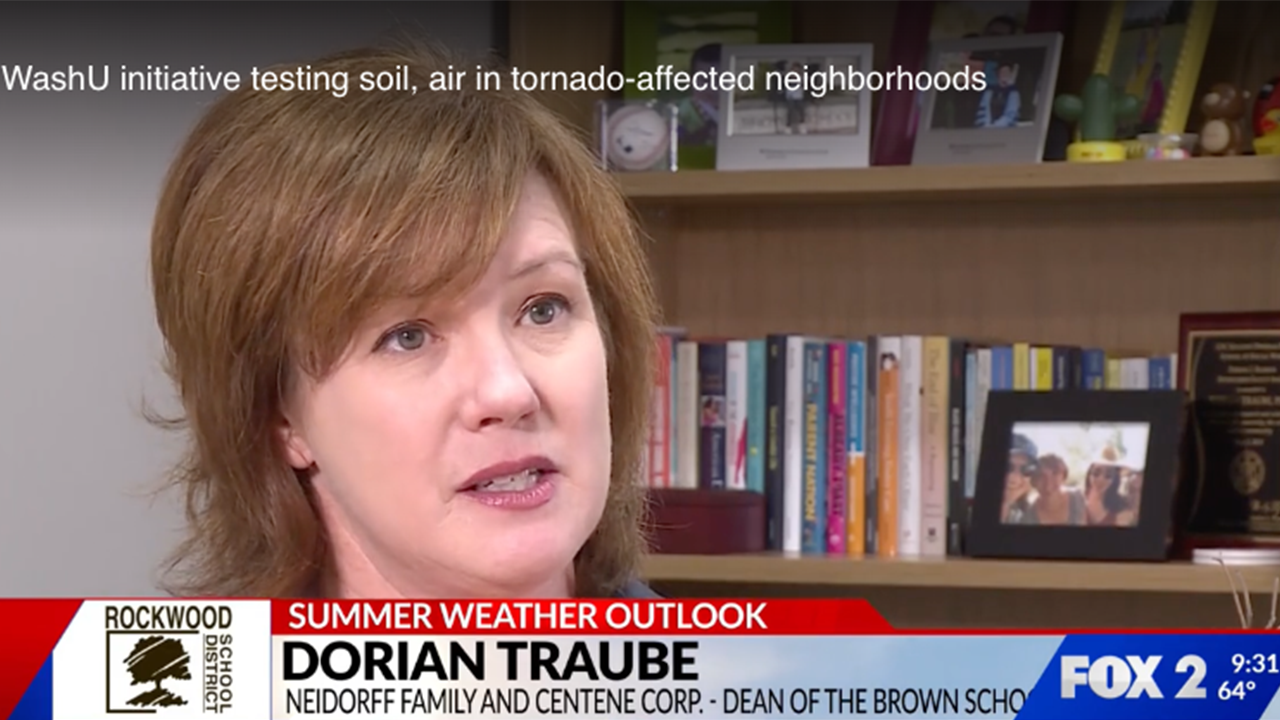
The Clean STL project is a Washington University–led environmental health initiative focused on north St. Louis neighborhoods affected by the May 16, 2025, tornado.
Researchers are studying whether the storm redistributed dangerous contaminants, especially lead, asbestos, and industrial dust, into residential yards, streets, and homes after older buildings were destroyed.
The project combines university scientists, neighborhood organizations, and residents to map contamination risks and better understand long-term public health impacts in north city communities. Early findings suggest there is legitimate concern about lead exposure because many damaged buildings in north city were built before lead paint regulations existed. Researchers say tornado debris likely spread contaminated dust and building materials across surrounding blocks.
Clean STL is now moving into a broader community air-monitoring phase. The next step involves deploying portable and stationary air-quality sensors throughout north city to track particulate pollution, toxic dust, and other airborne contaminants in real time.
The monitoring network is expected to focus on neighborhoods near heavy demolition activity, vacant properties, and industrial zones. The goal is to create neighborhood-level pollution data that residents can use to advocate for environmental protections and stronger cleanup standards.