See more of our coverage in your search results.
A new initiative designed to accelerate the translation of academic research into actionable policy drew a full crowd for its first event April 1 at Delmar DivINe.
The session, hosted by the WashU Brown School’s Clark-Fox Policy Institute Senior Policy Fellows program, brought together scholars, practitioners, and community members for a meaningful conversation about the experiences and well-being of refugees in St. Louis.
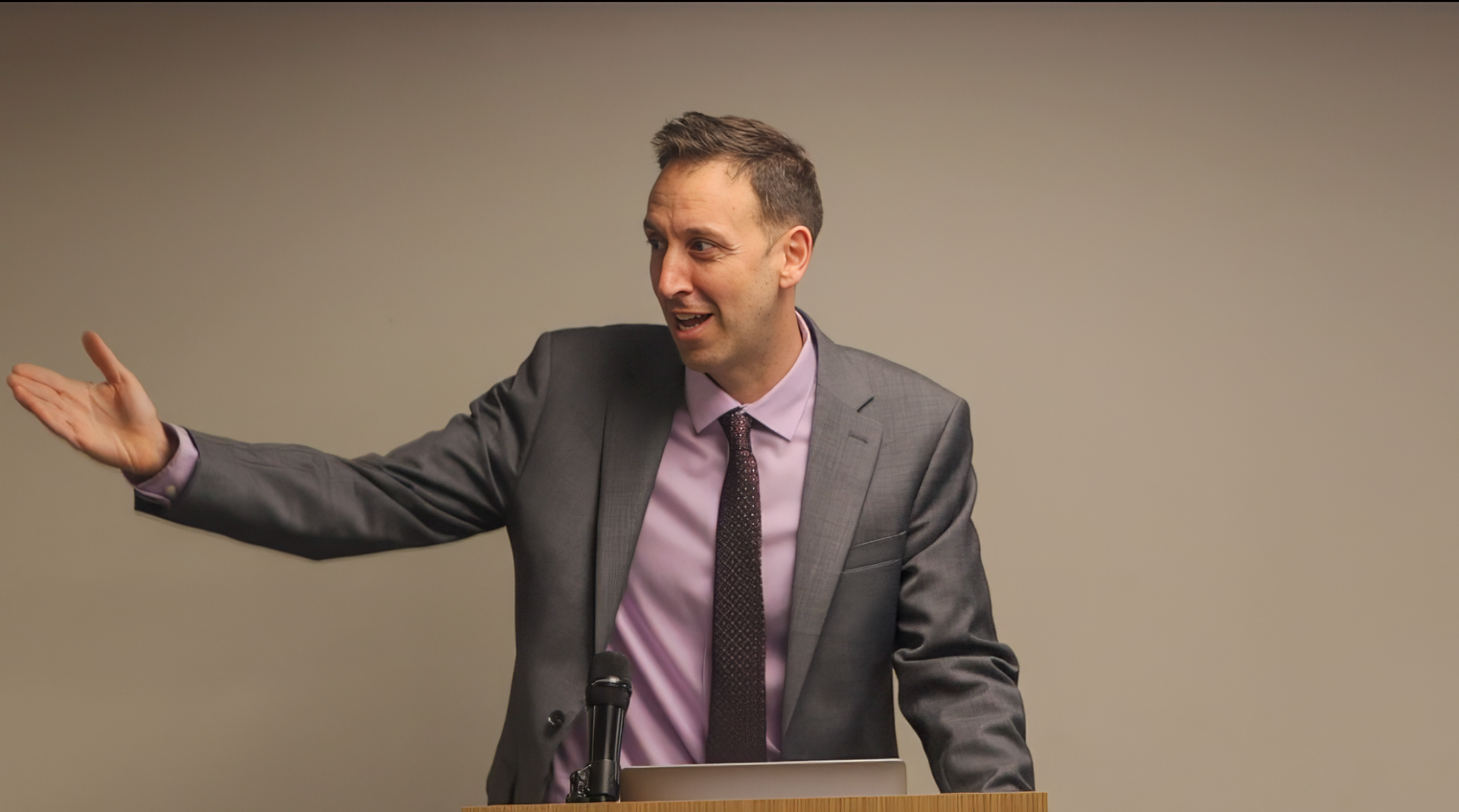
In his opening remarks, Jason Jabbari, assistant professor at the Brown School and Clark-Fox Policy Institute (CFPI) faculty director, underscored the institute’s commitment to move research more quickly into policy impact. He emphasized supporting scholars who work closely with communities and are committed to translating evidence into action.
“We’re here not just to share ideas, but to listen and learn from your experiences, your insights, and your perspectives,” Jabbari said. “Our goal is to bring people together to ensure that policy is informed by those closest to the challenges and the solutions.”
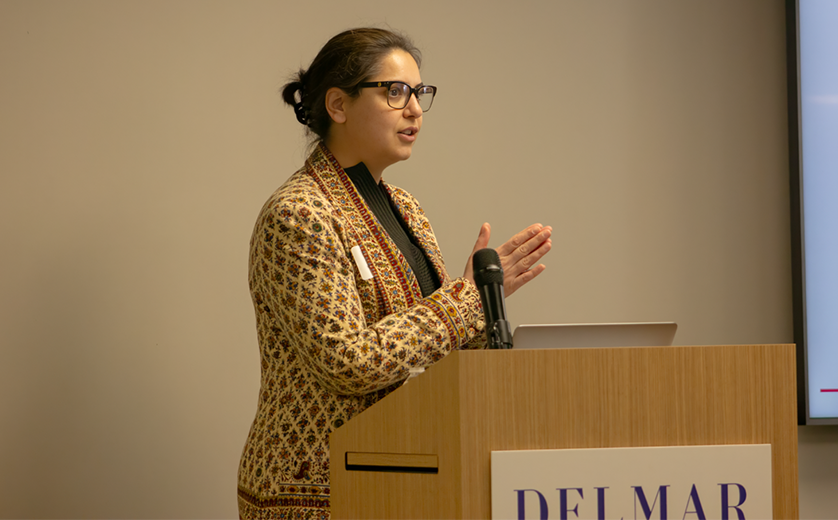
Scholars from the Brown School’s Forced Migration Initiative (FMI) presented new research findings ahead of publication on the integration and well-being of refugees and new Americans in St. Louis. Jihye Lee, a third-year doctoral student at the Brown School, presented findings on multidimensional poverty among refugees. Saria Bechara, a second-year doctoral student, discussed patterns of benefit use and shifting gender roles following resettlement. Fellow doctoral student Zeynep Ilkkursun concluded with an overview of Self-Help Plus, a scalable mental health intervention recently piloted by FMI among Afghan refugees. The findings highlighted critical gaps in current policies and identified opportunities to design more responsive, evidence-informed supports for newly arrived families.
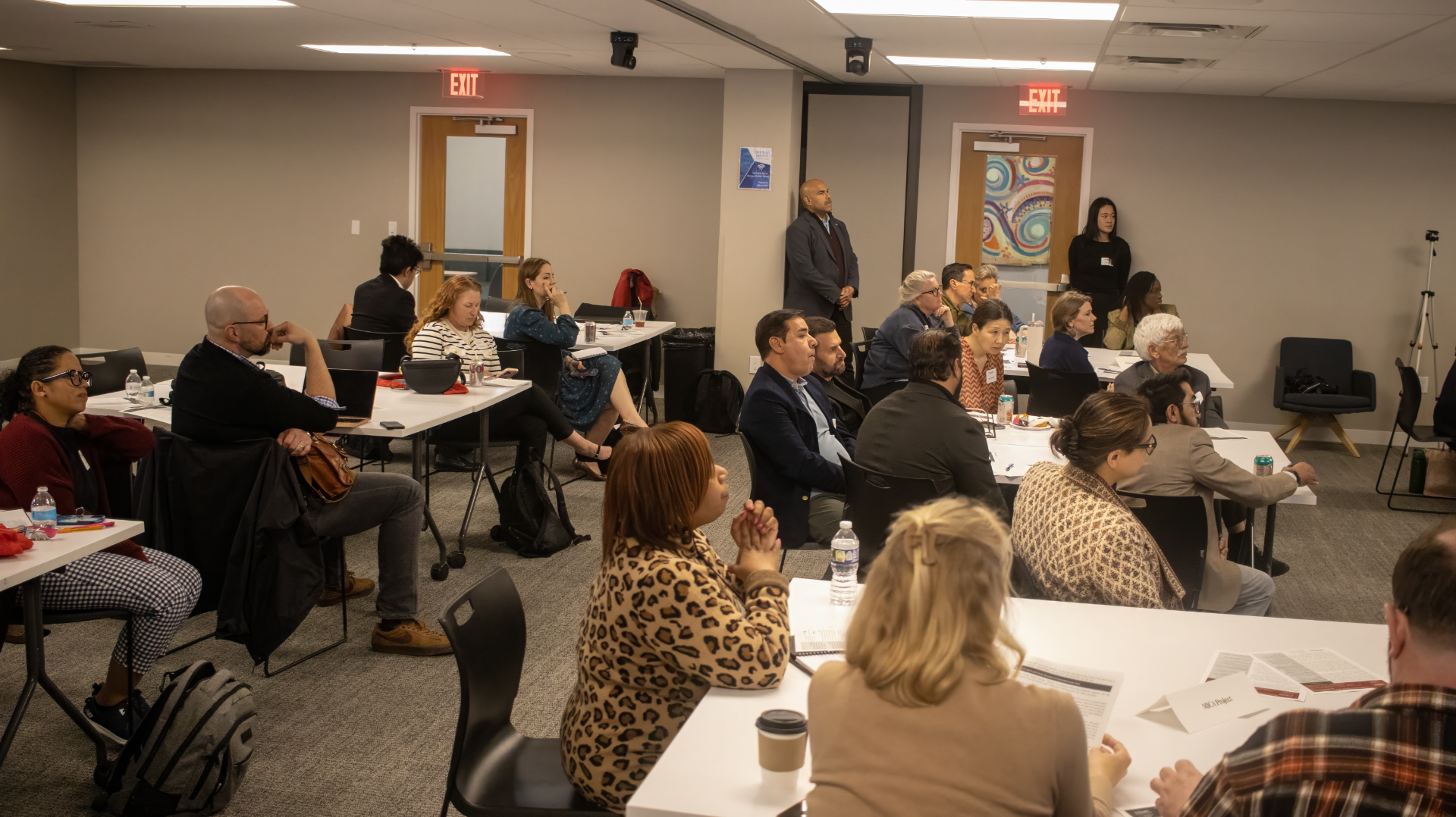
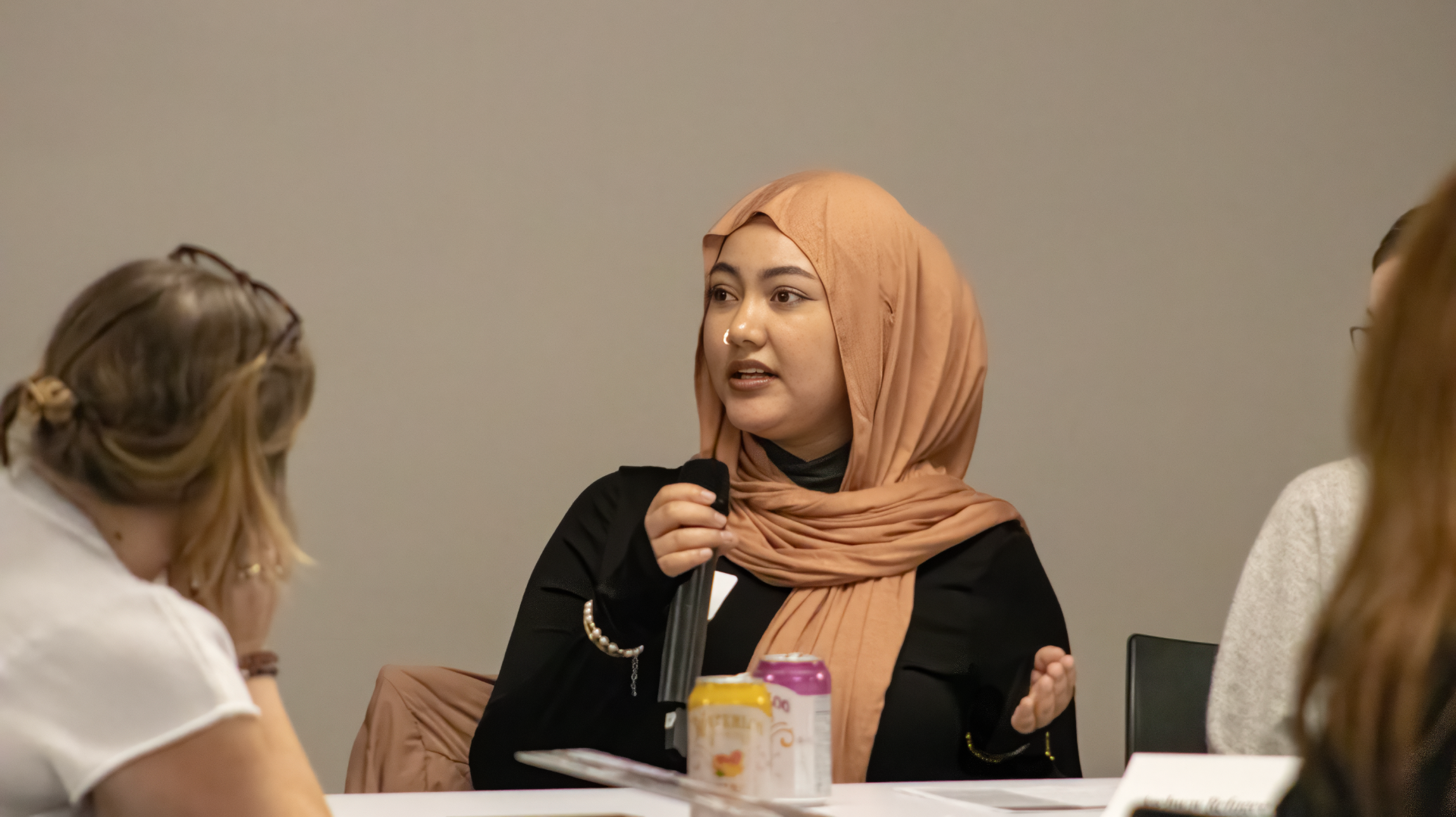
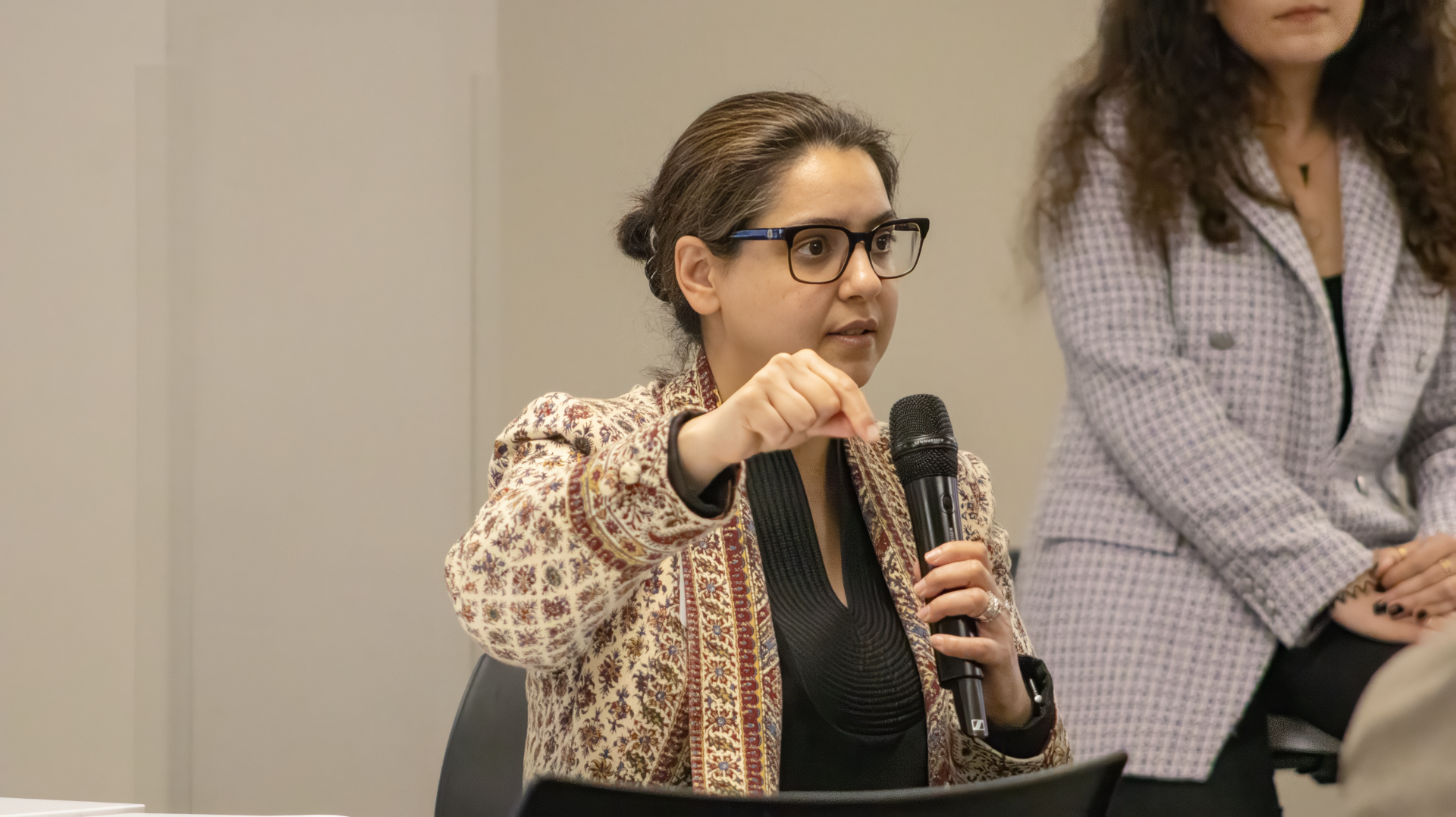
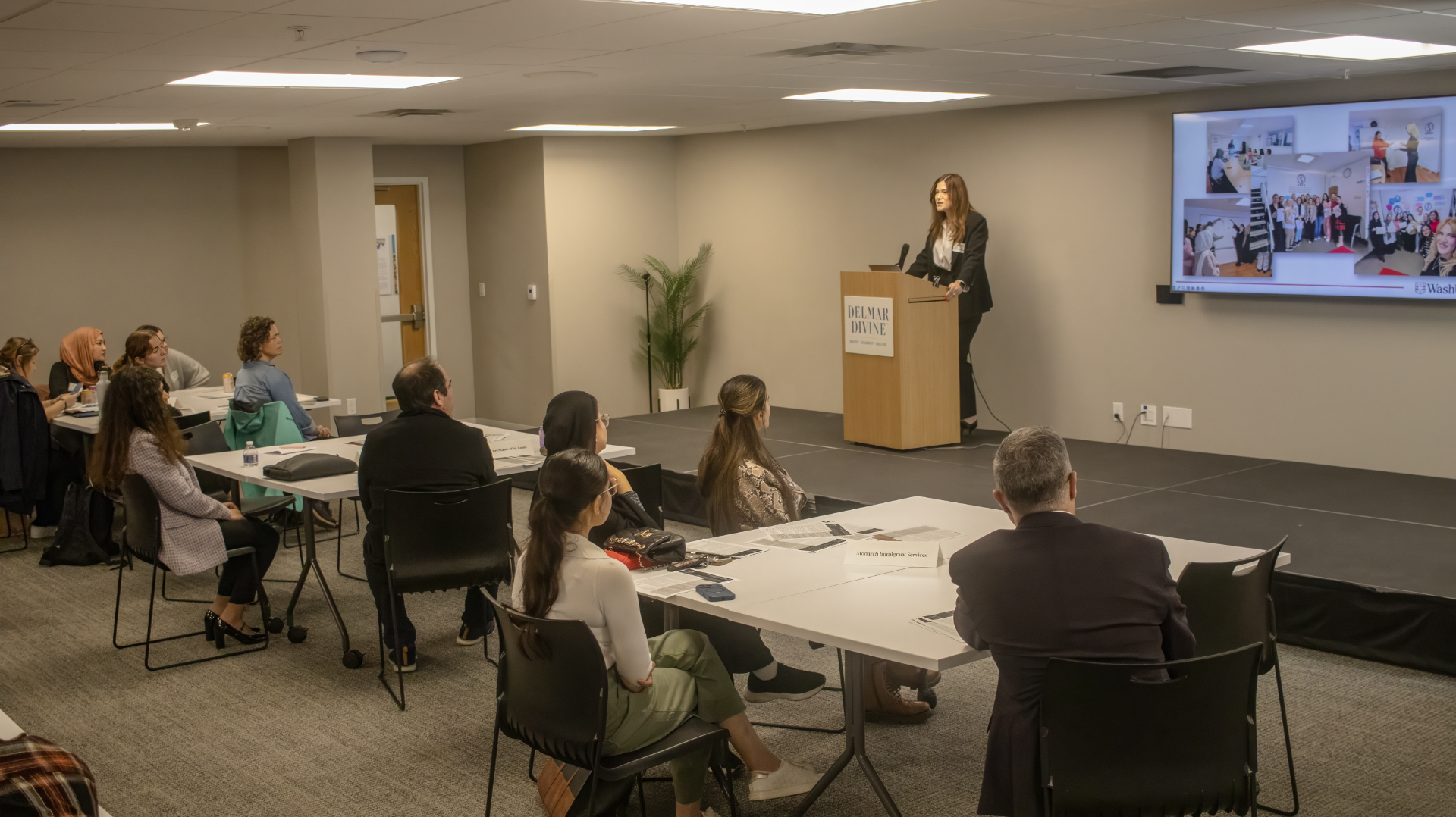
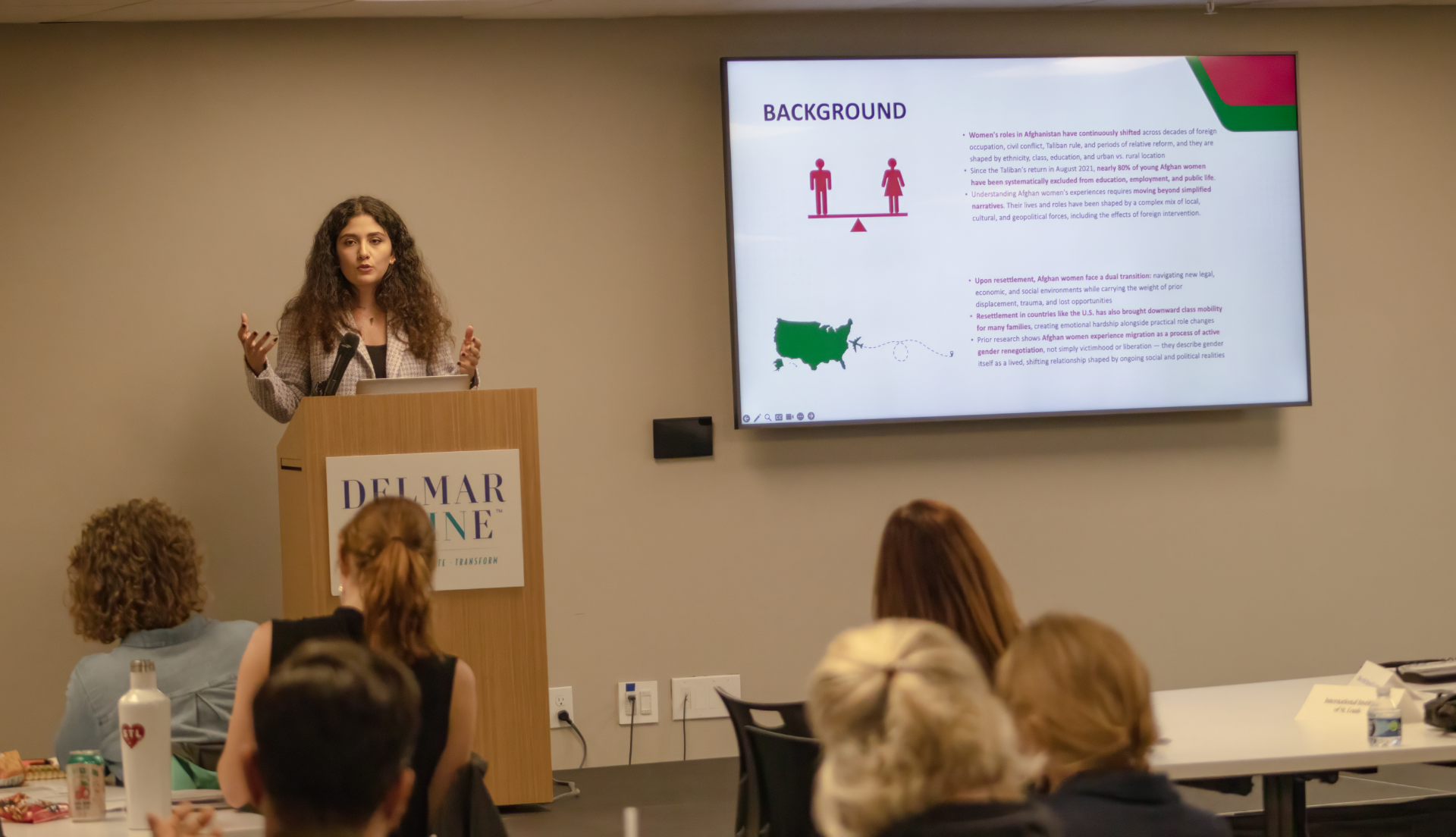
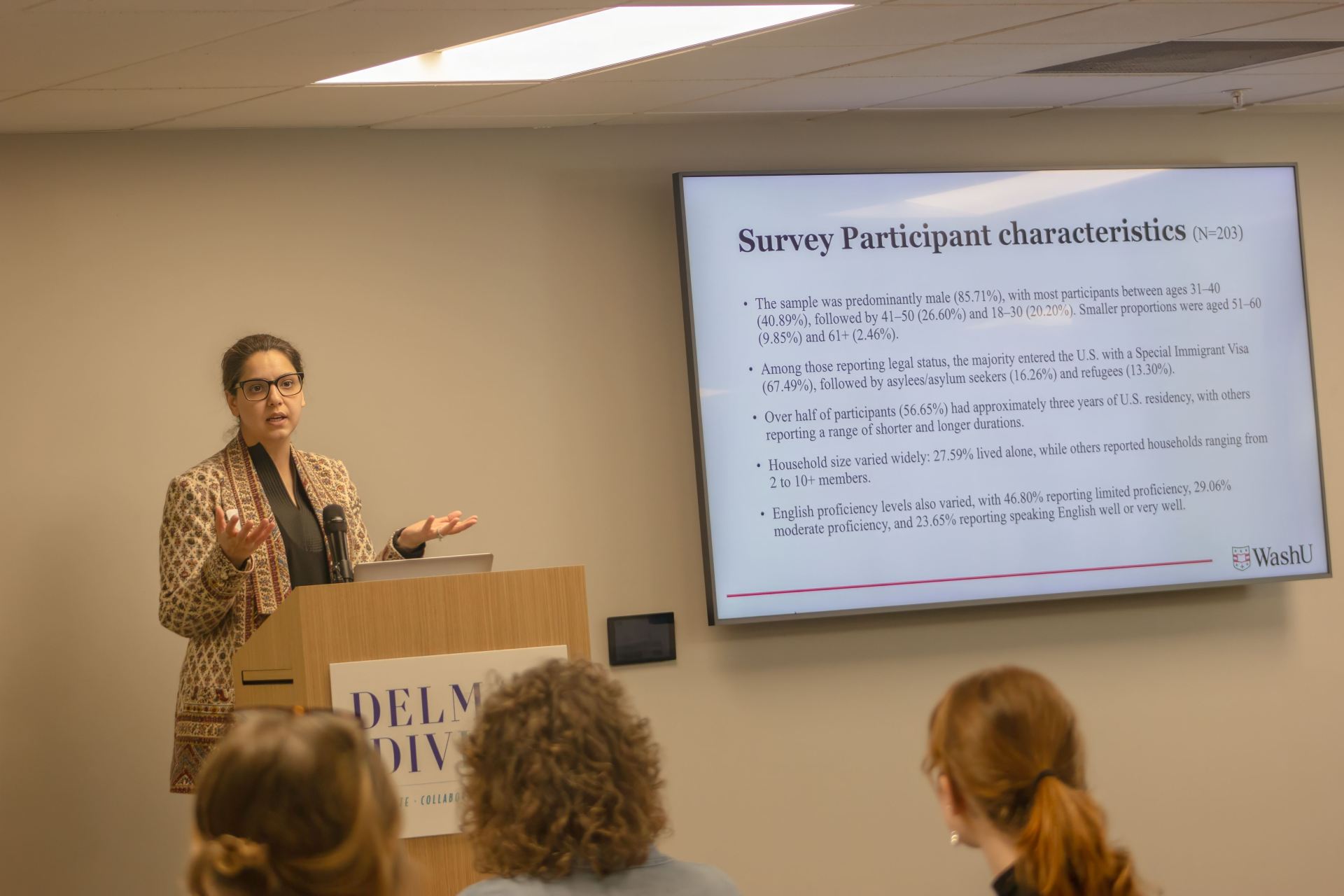
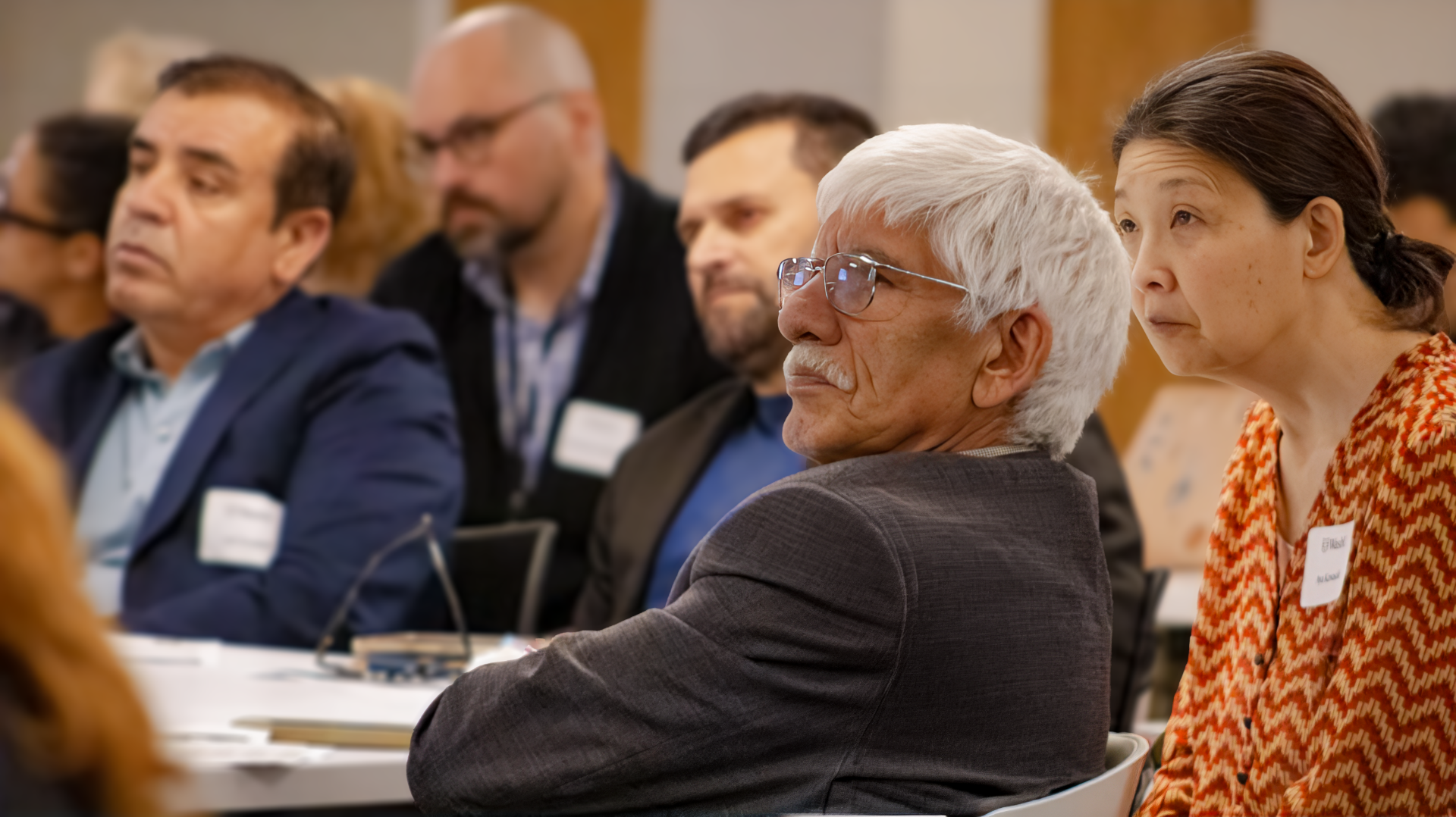
Representatives from several organizations — including the International Institute of St. Louis, Monarch Immigrant Services, the Afghan Chamber of Commerce, the Immigrant Service Providers Network, Welcome Neighbor STL, Archway Refugee Connections, and WashU Empower, along with Afghan community leaders, shared thoughtful reflections and recommendations for future research and policy action. Additional participants included officials from the St. Louis Mental Health Board, the Office of New Americans under the Mayor’s Office, the Lutheran Foundation of St. Louis, and other community members.
Mitra Naseh, assistant professor at the Brown School, director of FMI and a CFPI Senior Policy Fellow, highlighted the importance of the collaborative, community-engaged approach to policy change, noting that “community-informed research is essential to building policies that truly work and respond to the real needs of refugee communities.”
Organizers said the event marks the first in a series of discussions planned through the Senior Policy Fellows initiative. Explore the Senior Policy Fellows events page to see all upcoming sessions.