As the coronavirus continues to spread across the nation, a number of false conclusions and rumors have spread with it. Three epidemiologists in public health at Washington University in St. Louis separate truth from myth.

The following information is from Alexis Duncan and Kim Johnson, associate professors, and Christine Ekenga, an assistant professor, all in the Brown School.

The numbers of cases in my area are low, so I don’t have to worry. This is false. When testing is limited, the number of reported cases is likely a fraction of the actual number of infected people who can transmit the disease, making it important for everyone to comply with social distancing measures.

Males are more likely than females to have more serious complications from COVID-19. So far, this is true. Evidence from six countries indicates that the ratio of males to females who have died of COVID-19 ranges from 1.1 to 1.9.

The virus will go away with warmer weather. This is currently unclear. If COVID-19 behaves like other corona viruses, there may be a seasonal pattern with lower transmission in the summer. An excellent analysis of this question is provided by Marc Lipsitch of Harvard’s T.H. Chan School of Public Health.

Children are only carriers for COVID-19 — they don’t get sick. Although adults appear to be at higher risk for COVID-19, infants and children can get sick from COVID-19. Symptoms in children are generally mild, but children with underlying medical conditions can develop severe illness. It is important to keep in mind that children who have been infected with COVID-19 can pass on the illness to others, even if they themselves only have mild symptoms or are asymptomatic.

I am young and healthy, so I don’t need to be concerned about COVID-19. It is true that overall younger people have been less likely to sustain severe symptoms and die from COVID-19 compared with older people; however, younger people are not immune to severe illness and death from COVID-19. In a study of COVID-19 cases in the U.S. from Feb. 19 to March 16, 20% of all hospitalized cases and 12% of hospitalized cases in ICUs were aged 20-44 years old, with an estimated case-fatality rate of .1 to .2%.

Coronavirus is “just the flu.” Symptoms of COVID-19 and influenza may be similar, but COVID-19 spreads more easily, causes more severe illness and is deadlier than either the seasonal flu or the 2008-09 swine flu (H1N1). At this point in time, there may have been more seasonal influenza cases and deaths worldwide this winter than from COVID-19; however, COVID-19 cases and deaths have been increasing at an exponential rate and will likely surpass the number of influenza cases and deaths before long unless we can curb the spread of the virus.

A couple of weeks of social distancing can stop the spread. While social (or physical) distancing measures may slow the spread of the virus, they won’t alleviate the stress on our health care systems if they are ended too soon. Premature termination of these measures could also lead to a resurgence of cases when people resume their daily activities.

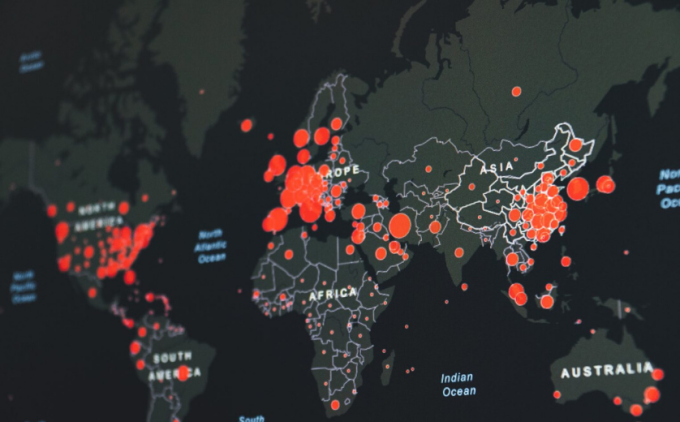
Blacks are immune to coronavirus. Early reports of low rates from African countries led to this false rumor. Unfortunately, recent data suggest that coronavirus is spreading in Africa. Here in the U.S., we have limited data as the Centers for Disease Control and Prevention has yet to publish a demographic breakdown of coronavirus testing, cases and deaths. We do know that coronavirus disproportionately affects people who have comorbidities and, given the well-documented racial disparities in both access to and quality of care in the U.S., there is reason to believe that African-Americans may be an at-risk population for poor outcomes.

Public health can defeat the coronavirus. There is still time to reduce and stop the transmission of coronavirus and save lives, but we need to act soon. A coordinated expansion of testing will allow epidemiologists to track the spread of the virus, and increased production of personal protective equipment will provide much-needed protection for health care and other essential workers. While we learn more everyday about this novel coronavirus, prevention remains a fundamental principle of public health. People of all ages can reduce their risk of exposure to the virus by practicing good hygiene and social distancing.

We must consider this coronavirus crisis as a wake-up call to prioritize equity and challenge ourselves to consider how to better serve historically underserved communities, says a public health expert at Washington University in St. Louis.

“In the middle of a pandemic, it is easy to overlook health equity,” said Darrell Hudson, associate professor at the Brown School.

Health equity, Hudson said, means that everyone — regardless of their identity, including race/ethnicity, gender and social class — has the opportunity to reach their optimal level of health.

Health equity for many was problematic before the pandemic.

“Health does not simply mean that people are not sick or have a disease. Health is comprehensive and encompasses so much,” Hudson said. “In fact, many patients seeking care do not actually care much about health. How can they when their bandwidths are exhausted? Most people are consumed with day-to-day functioning.

“They care about their jobs, providing for their families, paying bills, and other social and economic concerns. This is even more problematic right now for families that are struggling with sudden, drastic changes in employment and financial strain.”

What effect will the pandemic have on such families?

“There is often a misalignment between the messages that public health and medical professionals seek to deliver to the public, especially people who have been historically marginalized and who are most vulnerable,” Hudson said. “Presently, the public health message being disseminated across the country is to observe social distancing guidelines — to stay home and avoid contact with large groups of people. How does this messaging affect citizens who do not have adequate resources to purchase additional food and supplies, especially if they have growing children at home for three meals a day?

“Simultaneously, these families may have jobs in industries that are not shuttered or operating at barebones capacity to observe the social distancing guidelines. How will these families get the resources they need if they cannot work?”

Health inequity already has taken a toll, Hudson said.

“Racial and socioeconomic inequity in the social and built environment has already affected the health and well-being of marginalized communities,” he said. “For example, the risk factors associated with illness due to coronavirus include obesity ─ a whopping 76% of black Americans are overweight or obese. Another risk factor is chronic disease. Over 60% of black Americans age 50 and older have high blood pressure and 23% have diabetes.

“Black Americans experience chronic disease at earlier ages and are more likely to die prematurely compared to whites. Scholars have found that black Americans experience greater stress and trauma across the life course, compared to whites. Therefore, their immune systems may be functioning less effectively due to chronic stress, making them more susceptible to chronic disease as well as infections.

“The confluence of these factors is placing a tremendous burden on communities of color and people with low socioeconomic status. We have already failed these communities before COVID-19. What will happen if the highly contagious COVID-19 is widely transmitted in communities that do not have equitable access to healthcare services much less the social and economic resources that could help mitigate the spread of the virus in the first place?”

This outbreak, among other changes, may provide the “wake-up call” that there is a health gap based on income and privilege as well, Hudson noted.

“Dr. Martin Luther King Jr. once stated that it seems like a cruel jest to tell a bootless man to pull himself up by his bootstraps. We must be mindful of our public health and medical messaging and whether people can comply with what we are asking,” he said. “And if they are not able to adhere to guidelines, we should interpret that as a societal failure to ensure that everyone has equitable opportunities to achieve their highest level of health.

“To be frank, we are a long way off from health equity in our society, much less our region. And we have yet to see what the effects of COVID-19 transmission could be on historically marginalized communities. We must consider this crisis as a wake-up call to privilege equity and challenge ourselves to consider how to better serve historically underserved communities.”

As the St. Louis region and the state of Missouri confront the coronavirus challenge, it has posed a number of serious issues for health policy analysts and health economists.

“This is the most unprecedented challenge to the health system I have seen in my career,” said Tim McBride, Bernard Becker Professor and a leading health economist.  “Our public health systems in the region were already underfunded relative to most of the rest of the country, and people with low incomes were already facing challenges accessing medical care. This is only exacerbating the problems.”

McBride points to several challenges that have become acute in recent days because of the COVID-19 crisis:

Low-income persons have less access to health insurance in Missouri, one of 14 states that never expanded Medicare. “We have not expanded Medicaid, and the existing levels for Medicaid are among the lowest in the country,” McBride said. “Missouri has over 500,000 uninsured people. Uninsured persons will face significant challenges paying for medical care during this crisis, especially if they need to be tested or treated for coronavirus. The problem will only become worse if these low-income persons lose their jobs. And all this will challenge the finances of our health care systems.”

The public health systems in Missouri have long been underfunded. “Our public health system funding ranks near the bottom in the country; we rank 44th in the U.S.,” McBride said. “This means we do not have enough funding to do the significant surveillance, testing, communications and research needed in a situation like this. Our public health departments are doing great work despite these challenges and reaching out to universities and others for help, but our systems are stretched.”

Given that we have needed to suddenly and significantly move to social distancing and strongly encourage people to stay home, this is creating a monumental economic challenge. “We will not know until we see the numbers, but it seems certain that we will have a significant economic downturn, probably a recession, maybe a very large one in the second quarter,” McBride said. “The extent of the recession depends on how widespread the virus extends and how long policymakers continue policies to encourage social isolation. But certainly some sectors will be severely impacted: airlines, hotels, restaurants, retail, for example. And this will have a big ripple effect on the rest of the economy. We can recover from this, once people are allowed to leave home, but in the meantime, there will be losses in jobs, incomes. This only will make it more difficult to pay for medical care, especially for people who already had the biggest challenges paying for care: the uninsured, for example. What we worry about the most is that some people will forego medical care because they cannot pay, and that this will exacerbate the spread or depth of coronavirus.”

Numerous challenges to the health care workforce. “Health economists have been worried for a while about areas where we have shortages or challenges in what we call the health care workforce,” McBride said. “The biggest areas where there are significant shortages of health care providers are nurses, mental health providers, and providers to serve those in underserved communities — that is, central city and rural areas. Unfortunately, this COVID-19 outbreak will only exacerbate these challenges and may create a crisis in some areas. If some parts of the health care workforce get sick from coronavirus, especially nurses, that will be a huge problem. If the workforce is not well distributed across the state, region or country, then we will see big shortages. For example, the big outbreaks right now are in Washington and New York, and they likely are already experiencing shortages of providers. Missouri may experience this at some point.”

Across the U.S., requests to 2-1-1 from Americans seeking help getting food and paying rent rose sharply and instantly in the days following the start of the COVID-19 pandemic, according to a Brown School researcher who tracks calls to 2-1-1 help lines. Matthew Kreuter, the Kahn Family Professor of Public Health at Washington University in St. Louis, and his team are tracking requests for hundreds of needs, as captured by 2-1-1 help lines across the country. They have established a web presence, FOCUS-19, to report new findings daily.

The most recent analyses examined cities and states nationwide since the beginning of 2020. For each week, they charted the total number of requests to 2-1-1 for food pantries, home-delivered meals, and rent assistance. Many states saw 2-1-1 calls top 1 million by the last week of April.

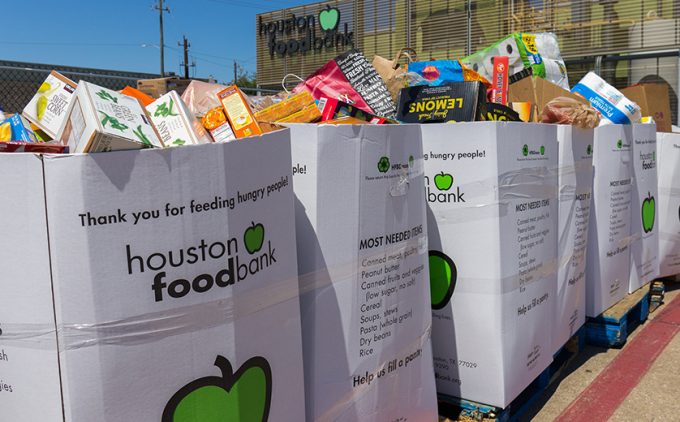
An earlier analysis found that in the first week since COVID-19 was designated a pandemic, requests for food pantries skyrocketed across the United States. Requests for home-delivered meals more than tripled in the same time period.

“In all locations, requests for food pantries were much higher, often 2-4 times higher than the same week last year,” Kreuter said. “Requests for home-delivered meals were higher in all but one location.”

Kreuter is senior scientist at the Brown School’s Health Communication Research Laboratory, which developed 2-1-1 Counts, the first tool to provide real-time, searchable and visual presentations of data from 2-1-1 call centers across the country

Other insights revealed in the ongoing analyses by Kreuter and his team:

“The size and suddenness of these increases is striking,” he said. “People need help feeding and supporting their families, and local agencies need help keeping pace with the higher demand.”

2-1-1 is a free and confidential service that helps people across North America find the local resources they need 24 hours a day, 7 days a week, in most communities. Each year, 2-1-1s receive 16 million requests, not only seeking emergency services, but also basic needs such as food, shelter and clothing.

Data tracked by 2-1-1 Counts can be searched and displayed by date, county, congressional district and more.

Upcoming analyses will examine income, employment, transportation, health care and other social needs; mapping where the increases in local needs are greatest; and reporting calls specific to COVID-19.

This research is conducted in partnership with Health Communication Impact LLC, United Way and 2-1-1 help lines. The team’s recent work has been featured in news outlets across the country: 

(This article will be updated as new features emerge.)

As schools and entertainment venues close due to the coronavirus outbreak, many of us are seeing our social circles reduced quite significantly. An expert on social support at Washington University in St. Louis offers a few evidence-based suggestions for thriving during household isolation.

“We don’t know for sure what the long-term health outcomes of widespread forced social isolation will be, but given what we know about the effects of social isolation and stress on physical and mental health, there is reason to be concerned,” said Tess Thompson, research assistant professor at the Brown School and author of a recent study on social isolation and health.

To help alleviate some of the stress inherent in social isolation, Thompson offers these tips: