See more of our coverage in your search results.
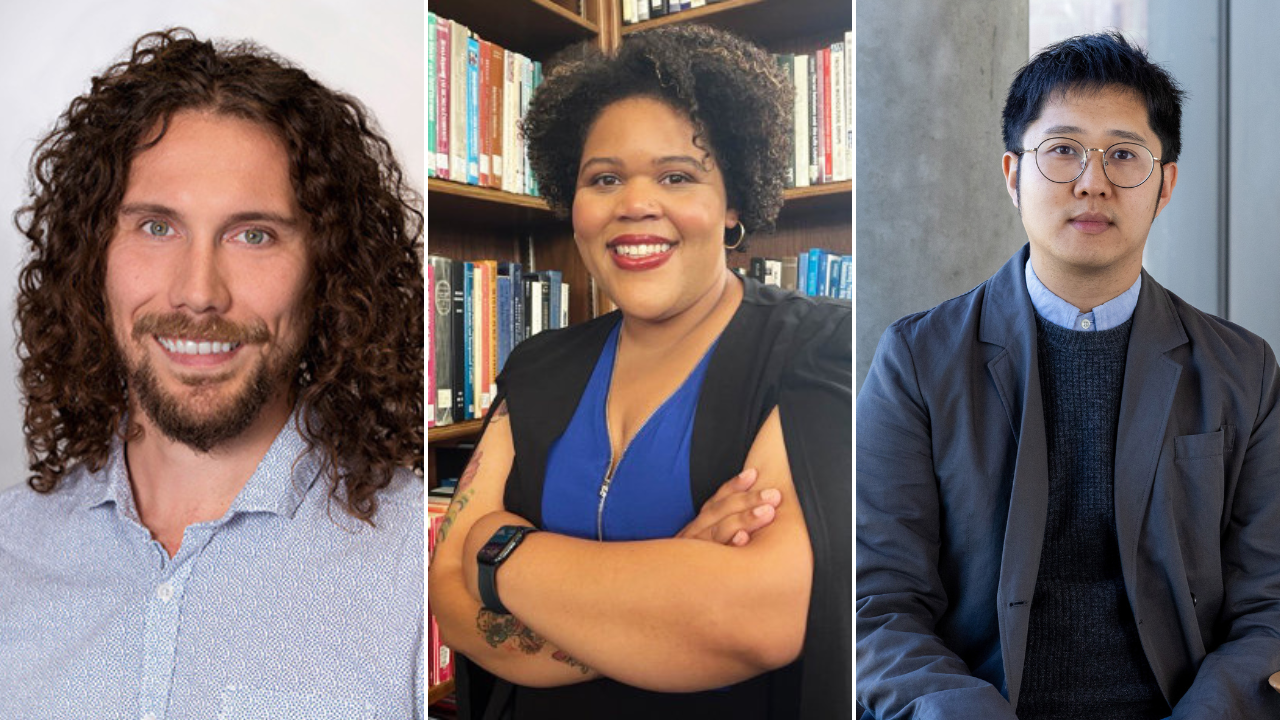
The Brown School at Washington University in St. Louis will welcome three new full-time faculty members for the 2026-27 academic year: Jordan P. Davis, Clarissa D. Jackson and Guangli Zhang.
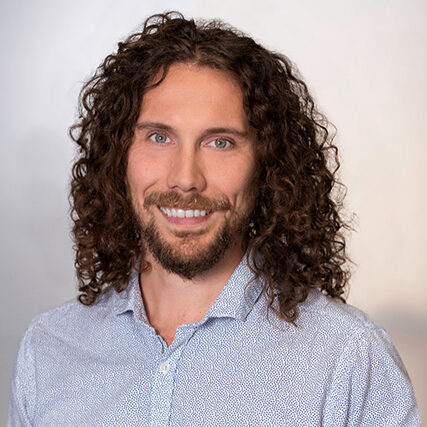
Jordan P. Davis joins the Brown School as a professor after serving as a senior policy researcher at the RAND Corporation. He previously was a faculty member at the University of Southern California’s Suzanne Dworak-Peck School of Social Work.
Davis is an internationally recognized scientist whose research focuses on the treatment of post-traumatic stress disorder (PTSD) and substance use disorders, with particular attention to underserved and high-risk groups, including veterans and individuals exposed to early childhood adversity. His work is at the forefront of digital intervention research, using wearable technology and machine learning to predict and treat PTSD and substance use disorders in real time.
He currently leads multiple NIH-funded projects examining behavioral health disparities among racial and ethnic minority veterans and women. By leveraging mobile interventions and passive-sensing data from smartphones, his work aims to reach people who are least likely to seek traditional clinical care.
A prolific scholar, Davis has published more than 180 peer-reviewed articles and serves as an editor for several leading journals, including Stress and Health and Addictive Behaviors. He will direct a NIDA-funded T32 training program at the Brown School in collaboration with the Department of Psychiatry at WashU Medicine. He is also deeply committed to mentoring the next generation of researchers, with a focus on advanced quantitative methods and intervention science.
Davis earned his PhD in social work from the University of Illinois at Urbana-Champaign. He has served as chair of the American Psychological Association’s Division on Addiction for the past four years and is a frequent reviewer for national grant panels. Davis received the 2026 Distinguished Scientific Early Career Contributions Award from the Society of Addiction Psychology (APA Division 50).
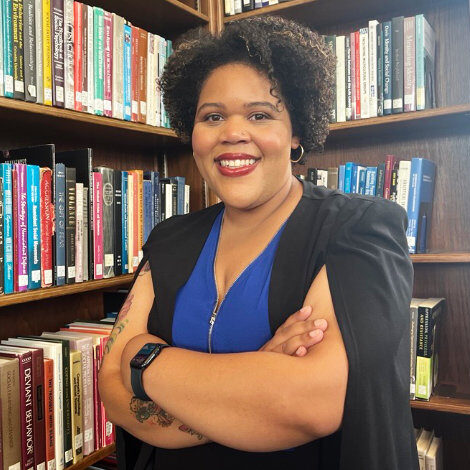
Clarissa Jackson joins the faculty as a lecturer after a decade of social work practice in St. Louis. She earned her Master of Social Work degree from the Brown School in 2016, with a focus on older adults and social and economic development. During her time as a student, she was a graduate research assistant for Nancy Morrow-Howell, the Betty Bofinger Brown Distinguished Professor of Social Policy. Jackson co-authored their published article, “Experiencing Civil Unrest: Elder Voices on Ferguson,” which earned her the Aracelis Francis Minority Scholarship Award in Gerontology in 2016.
Jackson has served as a field instructor for many practicum students at both the foundation and concentration levels. She has also served as an adjunct instructor at WashU and Texas State University since 2020. Her teaching emphasizes critical reflection, inclusive learning environments, and the integration of theory and practice to prepare students for ethical, equity-centered practice.
Before joining the Brown School, Jackson spent six years as a social worker with Legal Services of Eastern Missouri, where she advocated for youth and families facing educational inequities and housing instability. Her work contributed to changes in Missouri case law that expanded access to mental health care and identification services for unaccompanied youth and supported the creation of the Missouri Homeless Youth Handbook.
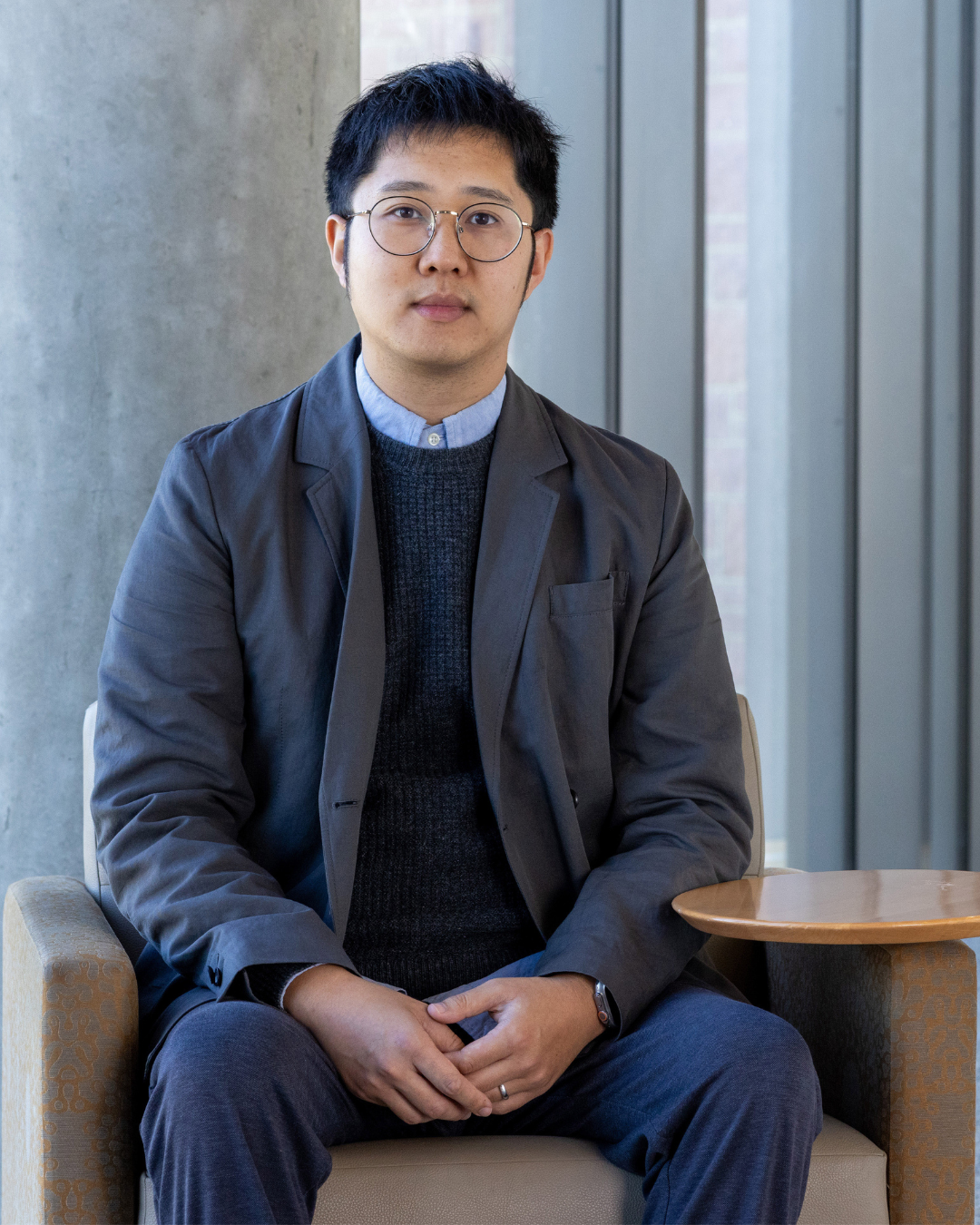
Guangli Zhang joins the Brown School as an assistant research professor. An applied economist, he studies public economics, labor economics, and household finance, with a focus on how public policies, income shocks, and institutions shape household financial well-being, economic opportunity and mobility.
His research examines cash transfers, public benefits and administrative burden, household credit and debt, financial inclusion, and how evaluation systems and algorithms can shape disparities in performance and opportunity.
Zhang has collaborated with researchers, government agencies and community partners to translate complex data into actionable policy insights. Before joining the Brown School faculty, he was a data analyst III at the Brown School’s Center for Social Development.
Zhang completed his PhD in economics from the University of California, Santa Barbara. From 2021 to 2024, he worked as a postdoctoral fellow in finance at Saint Louis University.