
See more of our coverage in your search results.
A suicide prevention initiative that began at the Brown School at Washington University in St. Louis is expanding statewide under a new name, supported by new funding to strengthen how Missouri schools prevent and respond to student suicide risk.
The program, now known as the Missouri Hope Policy Academy, has received support from the Missouri Suicide Prevention Network, in collaboration with the Missouri Behavioral Health Council, to develop curriculum and evaluate the scaled-up effort. The academy helps school districts build stronger suicide prevention, intervention and postvention policies.
The initiative builds on work that began in 2019 at the Brown School, when faculty researchers sought to better understand how Missouri school districts approached suicide prevention and response at the policy level. Early research, led by Ryan Lindsay, a professor of practice at the Brown School and Hanna Szlyk, an assistant professor of psychiatry at the School of Medicine, examined district readiness and policy infrastructure across the state.
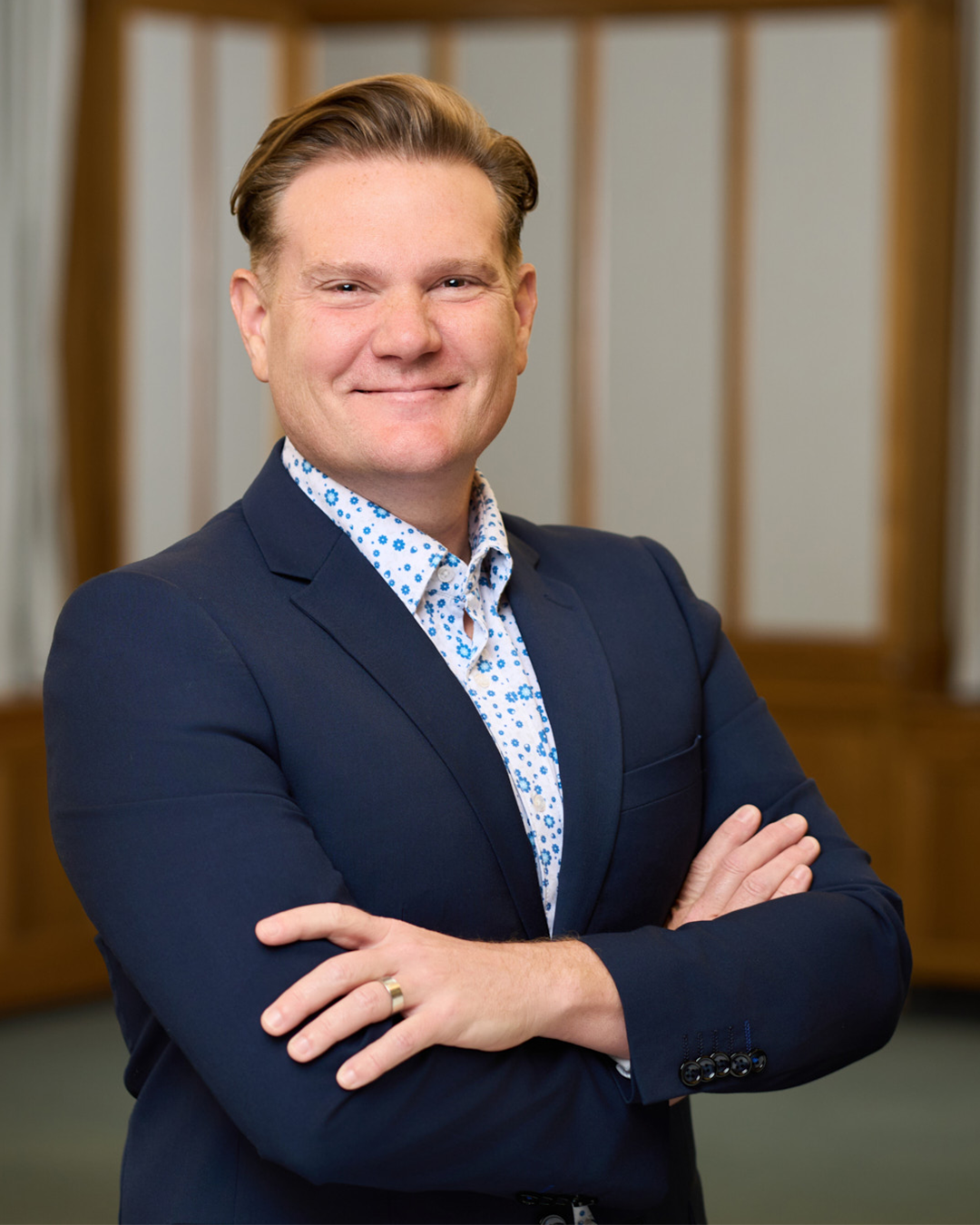
That work analyzed responses from 166 Missouri school districts and found wide variation in policy readiness. Sixty-three percent of districts reported having a suicide intervention policy, 55% reported having a suicide prevention policy and 43% reported having a suicide postvention policy. Researchers said the findings reflected structural and resource constraints, particularly in rural and under-resourced districts, rather than failures by schools.
“These data helped validate what we were hearing directly from school professionals,” Lindsay said. “Districts were being asked to respond to incredibly complex and high-stakes situations, often without consistent policy infrastructure or implementation support.”
Those findings led to deeper collaboration with statewide school leaders and partners, laying the groundwork for what became the Hope Policy Academy; a Missouri-based initiative designed to help schools not only develop policies, but also strengthen the organizational and practitioner-level practices needed to carry them out.
Schools as central partners
From the outset, state suicide prevention leaders identified schools as central partners in preventing child and youth suicide. Bart Andrews, chief clinical officer of Behavioral Health Response and co-chair of the Suicide Prevention in Schools Committee with the Missouri Suicide Prevention Network (MOSPN), said that focus shaped the network’s early structure.
“When MOSPN was created, the original network members identified schools as one of the primary partners for preventing child and youth suicides,” Andrews said. “The Schools and Suicide Prevention Committee was actually one of the first MOSPN committees created.”
While national models were considered, stakeholders ultimately favored a Missouri-specific framework built on existing tools developed through collaboration among educators, mental health professionals and state agencies. Those efforts included the Suicide Prevention and 988 Guide for Missouri’s Schools and revisions to the Department of Elementary and Secondary Education’s Youth Suicide Awareness and Prevention Model Policy.
The expanded academy is designed to support districts as they move from policy adoption to meaningful implementation, using Missouri-developed resources rather than introducing an external framework.
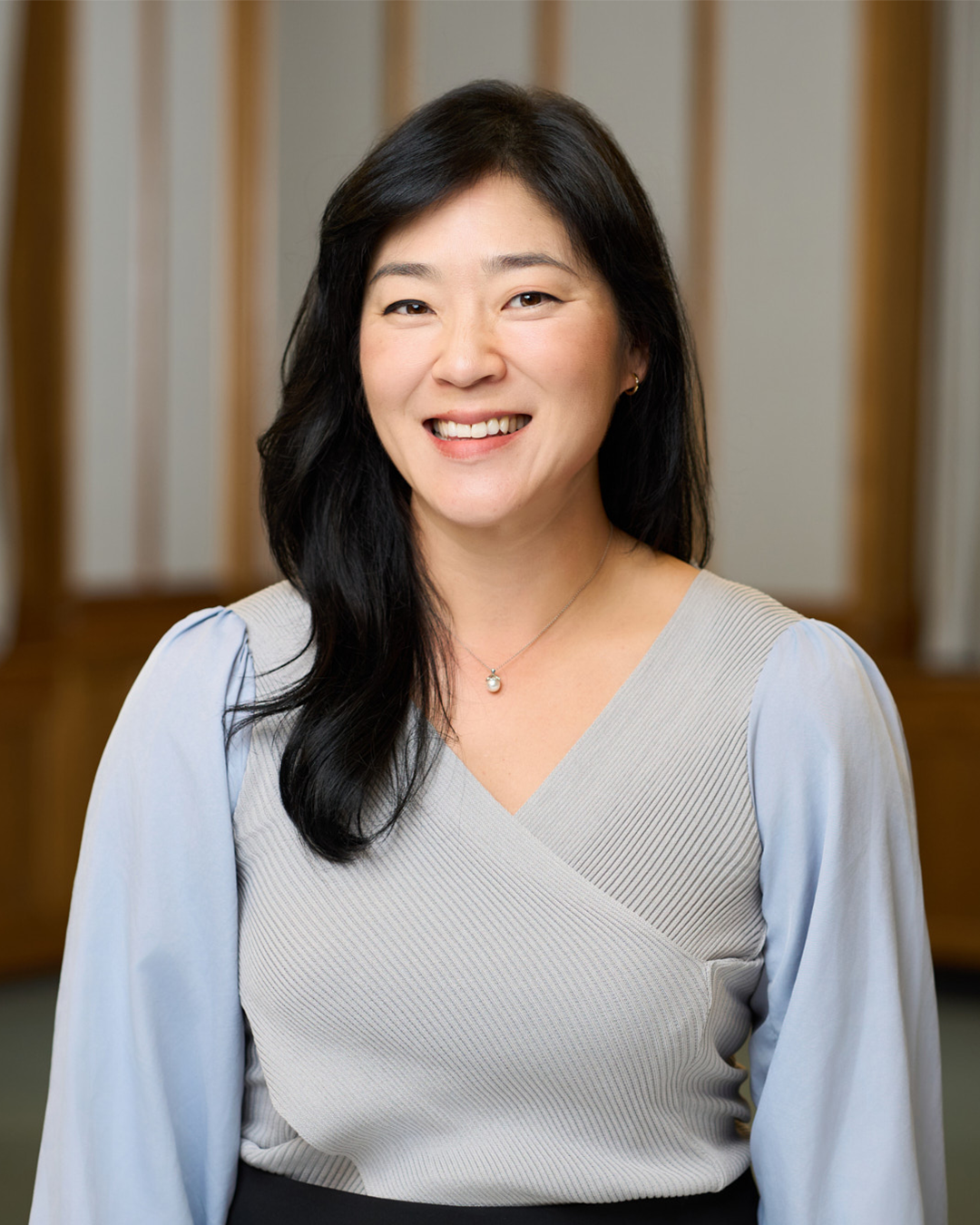
The effort is led by a WashU faculty team from the Brown School and School of Public Health, including Lindsay; Saras Chung, research associate professor at the Brown School; and Massy Mutumba, assistant professor at the School of Public Health. The team brings expertise in clinical social work, systems science and implementation research to support schools as critical systems of care for youth mental health.
“Schools didn’t want a generic training or a packaged program,” Lindsay said. “They wanted support that helped them strengthen their own policies, practices, and professional judgment in ways that fit their communities.”
State education officials said the Missouri-specific focus aligns with statewide priorities. Katie Epema, director of school-based mental health in DESE’s Office of College and Career Readiness said the academy directly aligns with the Missouri Suicide Prevention Plan.
“Having a Missouri-grown, Missouri-led school-based suicide prevention academy helps meet priorities within the Missouri Suicide Prevention Plan, particularly around providing training and resources that are relevant to different communities,” Epema said. “By focusing on the school community, the academy recognizes that best practices in suicide prevention and postvention may look different in schools than in other settings.”
That emphasis on context is intentional, said Chung, who noted that schools operate within layered systems shaped by policy mandates, workforce capacity, resources and community expectations.
“Our role as researchers isn’t to prescribe a single solution,” Chung said. “It’s to help schools make sense of the policies they’re required to have and translate them into practices that actually work in their buildings, with their staff, and with their students.”
The Missouri Hope Academy is part of a broader strategy focused on capacity-building rather than program replacement, emphasizing policy-level, organizational and practitioner-level support. Regional and virtual communities of practice are planned to support ongoing collaboration among districts.
“This isn’t a one-off training,” Lindsay said. “It’s part of a long-term effort to strengthen school systems and reducing youth suicide through thoughtful, evidence-informed policy and practice.”
The Missouri Hope Policy Academy will officially launch with a statewide kick-off event on June 8, bringing together more than 120 school leaders, educators, mental health professionals and community partners from across Missouri to learn about the academy and begin building regional networks to support implementation. The full-day academy will be held from 9:00 a.m. to 4:00 p.m. at the Roy Blunt Center for Healthcare Integration & Innovation Building in Jefferson City, with lunch provided. Those interested in participating in the statewide launch can learn more and register here.