See more of our coverage in your search results.
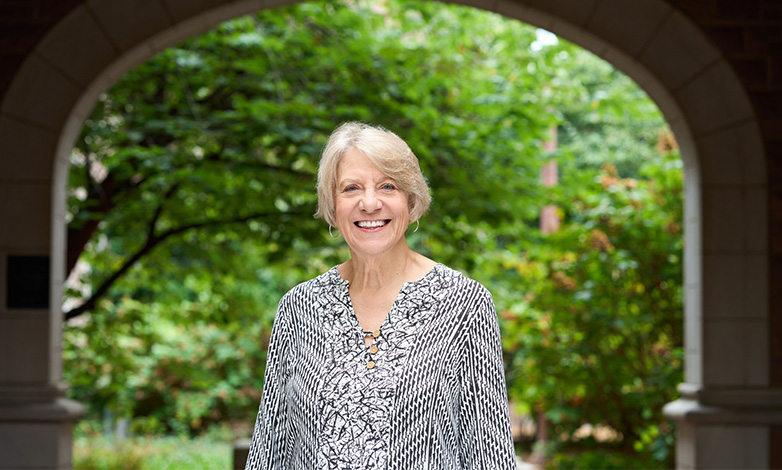
Add Brown School News on Google (opens in a new tab)Nancy Morrow-Howell, the Betty Bofinger Brown Distinguished Professor of Social Policy at the WashU Brown School, has authored a new guide aimed at helping colleges and universities communicate more effectively about age and aging.
The guide, “Age Inclusivity in Higher Education Quick Start Guide,” was released by the Gerontological Society of America (GSA). It builds on tools developed by the National Center to Reframe Aging and the Age lnclusivity Domains of Higher Education model.
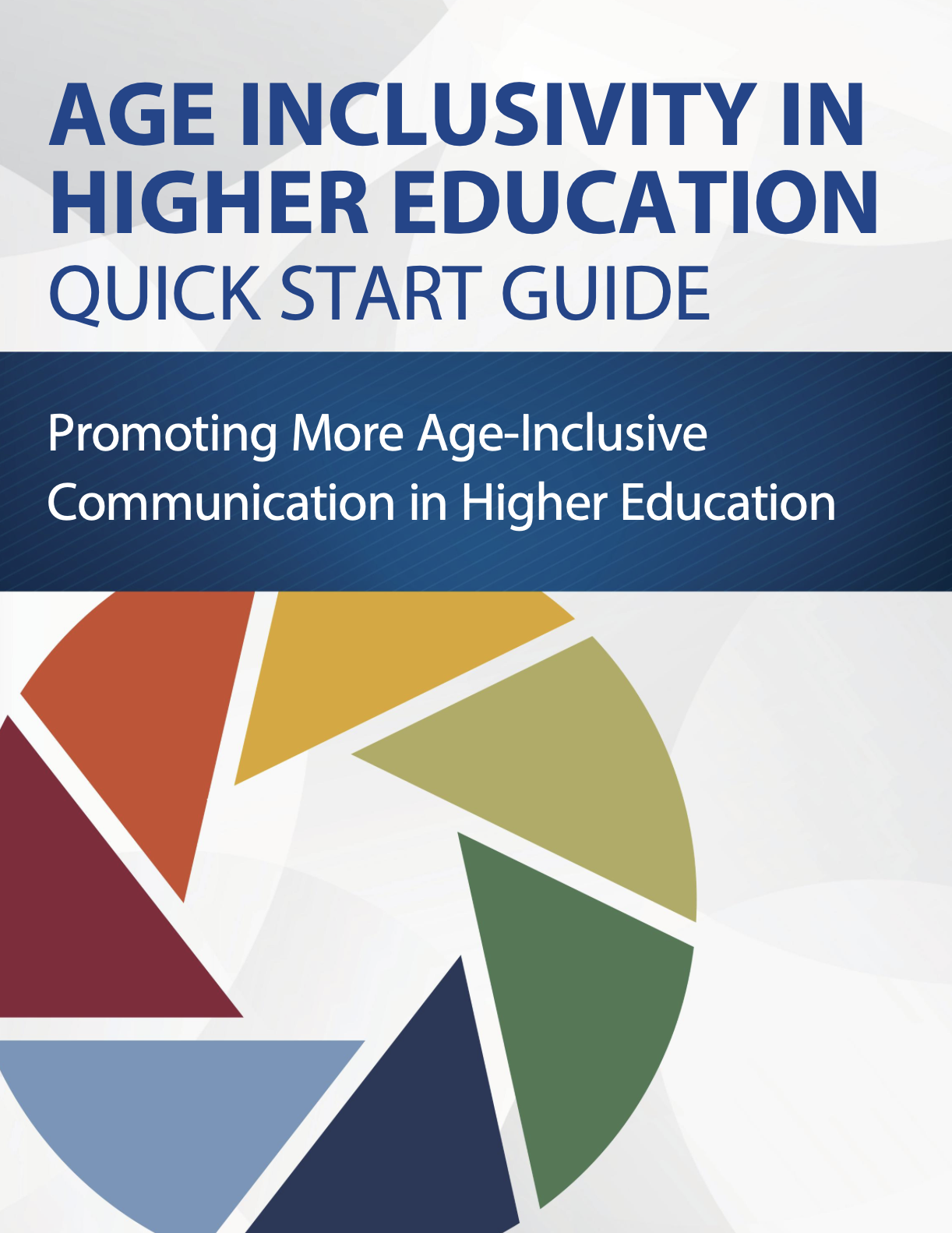
The guide presents strategies to enhance more age-inclusive messages and languages on campuses with the aim to promote more positive attitudes about age and more productive learning and work environments for people of all ages.
The Age lnclusivity Domains of Higher Education model identifies seven institutional areas to focus on to create an age-inclusive learning and work environment within higher education: Teaching & Learning; Services & Resources; Student Affairs; Physical Environment; Research; Personnel; and Outreach & Engagement. For each area, the guide provides strategies to address age-inclusive messaging and examples for reframing aging and how age-inclusive principles can be applied.
“We should focus on skills, qualifications, and aspirations—not chronological age or generation,” Morrow-Howell said. “People of all ages need ongoing education and professional development. Students of all ages have health issues, caregiving responsibilities, technology challenges, and mobility limitations. We will serve all stakeholders better by focusing on the issues, rather than on age.”
An age-inclusive approach encourages colleges and universities to create meaningful educational and workplace experiences across the lifespan. This can include programs tailored to students at different stages of life, campus health services that meet diverse needs, support for family caregivers and integration of age inclusivity within broader diversity, equity and inclusion policies.
Morrow-Howell co-authored the guide with Joann M. Montepare, professor emerita at Lasell University and former director of the Rosemary B. Fuss Center for Research on Aging and Intergenerational Studies.