The National Institutes of Mental Health has awarded a $10.5 million renewal of funding for a research center to develop and implement effective treatments for people with schizophrenia. Leopoldo J. Cabassa, a professor at the Brown School, co-leads the Methods Core and leads the Qualitative Research Unit at the grantee center, which is based at the New York State Psychiatric Institute.
The center, Optimizing and Personalizing Interventions for Schizophrenia Across the Lifespan (OPAL) will use the grant to extend its efforts to accelerate the development and implementation of effective, individualized treatments for schizophrenia in routine clinical settings. The aims of the Center renewal are to:
- Support research that examines innovative ways to optimize treatments for people with schizophrenia throughout the lifespan and accelerate the translation of clinical research on schizophrenia to routine practice settings.
- Conduct projects that develop, adapt, and test innovative, accessible, and person-centered interventions that improve engagement in treatment and can be readily deployed.
- Train scientists who will conduct translational research on interventions and services for schizophrenia.
The OPAL Center will support a Signature Project and three exploratory studies. The Signature will use 16 years of data (2007-2022) from the Center for Medicaid and Medicare Services to test hypotheses about risk factors for dementia among people diagnosed with schizophrenia and compare the effectiveness of treatment strategies after diagnosis of dementia. Exploratory project 1 tests a novel, person-centered approach to assessment and treatment initiation for individuals from historically marginalized communities (e.g., Blacks, Latinx) with psychotic symptoms in community mental health clinics that incorporates an adapted version of the Cultural Formulation Interview to improve diagnosis and treatment engagement. Exploratory project 2 will build on work done in Europe to adapt and test the feasibility and preliminary effectiveness of Flexible Assertive Community Treatment (ACT), which will allow ACT teams to allocate resources according to the individual needs of participants, improving efficiency and outcomes. Exploratory project 3 will use mobile health technology to deliver measurement-based care and improve the person-centered outcomes of individuals with schizophrenia across the lifespan.
“The renewal of our OPAL center is an important step and investment by NIMH for continuing to support innovative studies that aim to bridge the gap between research and practice to improve the quality and outcomes of mental health care for people living with schizophrenia,” said Cabassa, Director of the Brown School Social Work PhD Program and co-director of the Center for Mental Health Services Research.
A new study by researchers at the Prevention Research Center at Washington University in St. Louis and the National Association of Chronic Disease Directors (NACDD) surveyed public health departments in the U.S. to understand current health equity-related work practices and identify ways to bolster equity-focused work in chronic disease prevention and control efforts.
Recently published in the Journal of Public Health Management and Practice, the study identifies areas of progress on equity, gaps in practice, and where to target technical assistance, capacity building efforts, and accreditation planning. The study is among the first on the important subject of health equity in public health practice.

“There is an urgency in addressing health equity and our data suggest considerable room for enhancing health equity practices in state and territorial public health,” conclude the authors, led by Ross Brownson, the Steven H. and Susan U. Lipstein Distinguished Professor at the Brown School. “Public health departments play critical roles in addressing these disparities via sustained efforts to improve health equity.”
Researchers surveyed 600 chronic disease prevention practitioners from around the U.S. in July and August of 2022, gathering data on staff skills, work practices, priorities and values, and partnerships and networks. They found that self-reported staff skills regarding equity, such as knowing the causes of inequity, were high, but that departments were lacking in ways to track progress, in hiring staff who represent disadvantaged communities, and in ways to engage community members to improve equity.
According to John Robitscher, CEO of NACDD, “NACDD prioritizes health equity and recognizes the significance of this study for their collective efforts. We must address health disparities to strengthen public health policy, systems, and practice at every level.”
The study’s other findings include:
- Only one-third of respondents said their work units have systems for tracking health equity. Effective tracking will require the creation and use of systems both within and outside health departments, invoking the public-health adage, “what gets measured, gets done.”
- The data showed the value of working across sectors and agencies to address pressing health issues, such as food insecurity. But practices for addressing health equity were consistently less common in health departments’ partnerships and networks. Many of these practices can be improved by applying principles from participatory engagement with partners.
- A more comprehensive focus on health equity will require an acceleration in the types of evidence-based programs and policies being implemented in health departments, along with the skills needed for deploying them.
- For individuals, organizations, and partners, capacity can be strengthened via ongoing training and mentoring, use of tools, technical assistance, assessment of readiness to change, peer networking, and incentives. Many of these capacity-building activities in public health practice are not consistently available or adequately evaluated.
A graphic summary of the study can be found here.
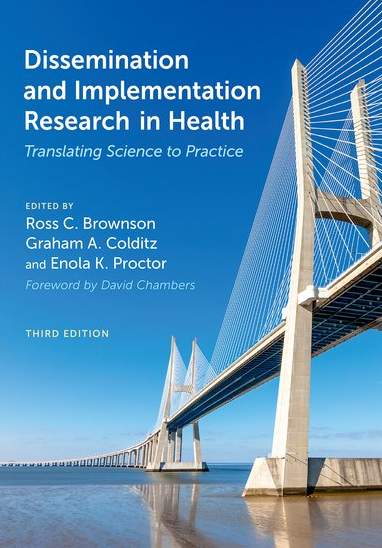
Brown School faculty members Ross Brownson and Enola Proctor, and Graham Colditz of the School of Medicine have published the third edition of “Dissemination and Implementation Research in Health,” the ultimate guide to dissemination and implementation research for public health, medicine and the social sciences.
Their work has been updated in this third edition with a strong focus on health equity and new chapters on de-implementation, scale-up and sustainment, and training and capacity building. This new edition also focuses on barriers to uptake of evidence-based interventions in the communities where people live their lives and from the social service agencies, hospitals, and clinics where they receive care.
Read more about the book on the WashU Bookshelf website.
Mark R. Rank, the Herbert S. Hadley Professor of Social Welfare at the Brown School, received several prestigious awards over the past six months for his book exploring the myths of poverty in the U.S. and why those myths continue to exist. The book, “Poorly Understood: What America Gets Wrong About Poverty,” received the runner-up award by the Society of Social Work and Research, the only book award given among academic researchers in social work (Rank also received the SSWR award in 2016 for his book, Chasing the American Dream: Understanding the What Shapes Our Fortunes). The award was presented on Jan. 14 at the SSWR annual meeting in Phoenix.

On June 20, Rank received the Silver Medal from the Independent Publisher Book Awards (also known as the IPPY Awards). The IPPYs are considered one of the most prestigious book awards for books published independently by small presses and university presses.
The book was also chosen as a finalist in two categories (Current Events and Social Change) by the Next Generation Indie Book Awards, the largest international awards program for indie authors and independent publishers. The ceremony was on June 23 in Chicago at the Newberry Library. In addition, Rank was recently notified he received two National Indie Excellence awards, which are also considered a top publishing award for independently published books.
“I’m just so grateful that this book is being recognized as significant across such a wide range of readership groups,” said Rank who credited his co-authors, Lawrence Eppard and Heather Bullock, with being instrumental in putting the book together. “The message of the book is more vital than ever to the discussions going on in America today. Facts and research matter, and myths and stereotypes, particularly surrounding poverty and inequality, must be addressed head-on with well-grounded knowledge and arguments.”
Areli was born in Mexico and grew up in Missouri. She is a proud, first-generation college student who is fighting for immigrants’ rights and educational rights for fellow Dreamers and undocumented students in Missouri. pic.twitter.com/yM8UK40Z3p
— The White House (@WhiteHouse) June 16, 2023
Areli Munoz-Reyes, a May 2023 graduate of the Brown School, is one of four DREAMers highlighted in a White House video commemorating the 11th anniversary of the Deferred Action for Childhood Arrivals (DACA) program. The program protects eligible immigrant youth who came to the United States when they were children from deportation.
In the video posted to the White House Twitter feed, Munoz-Reyes, MSW ’23, recalls the moment DACA was announced.
“We saw that the president was announcing this program and we were really happy, but at the same time we were kind of scared because we didn’t know what that meant for us,” she says in the video.
Furthermore, she adds, “I am really proud to say that I am a first-generation student and I couldn’t have done that without DACA.”
The DACA program protects more than 800,000 people. In the tweet thread, President Joe Biden calls on Congress to pass legislation to permanently protect DACA recipients.
Last year, Munoz-Reyes shared with the Brown School her educational journey and her efforts to elevate the voice of the undocumented immigrant community. Read the article.
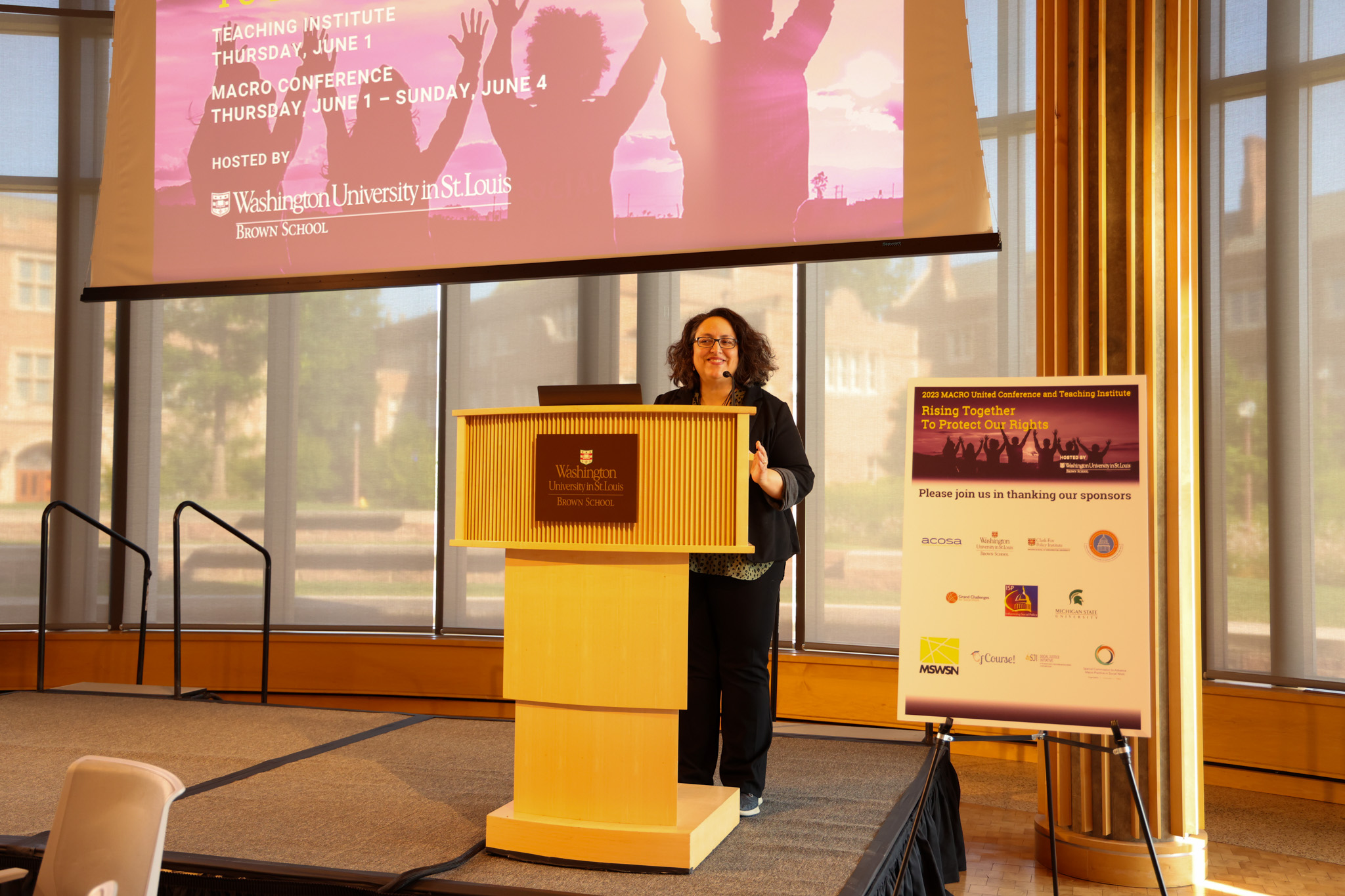
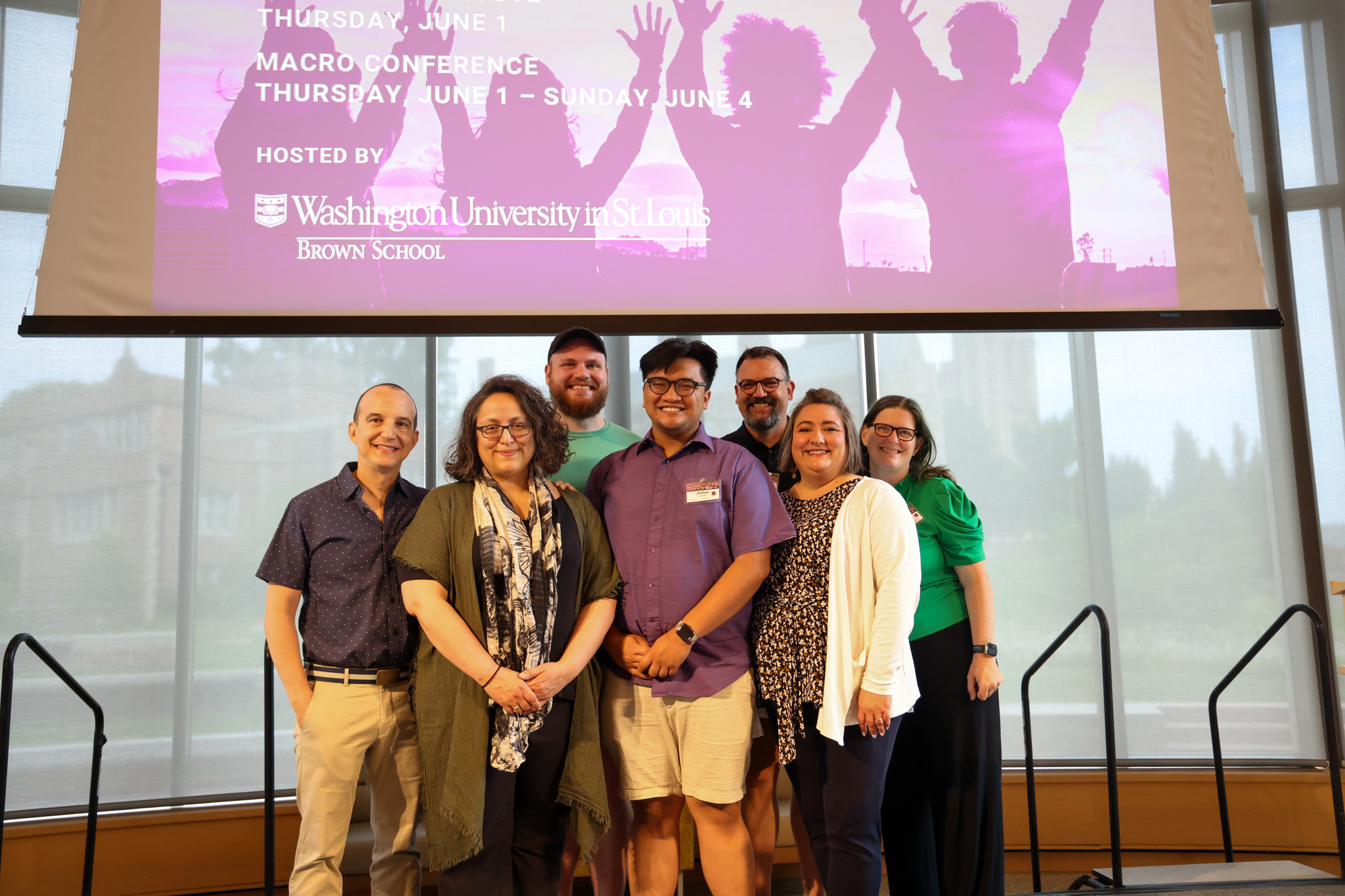
For many, it was a reunion, for others an opportunity to forge new connections. The Brown School at Washington University recently played host to the 2023 MACRO United Conference and Teaching Institute, a four-day event that brought together over 90 social work faculty, students, and practitioners from across the United States.
Co-sponsored by the Clark-Fox Policy Institute, the conference fostered an atmosphere of collaboration and knowledge sharing, providing a platform for meaningful discussions on social justice and equity. From June 1-4, attendees explored the theme of “Rising Together to Protect Our Rights,” which united leading macro social work organizations and featured a diverse array of thought-provoking presentations, interactive workshops, and insightful roundtable discussions.
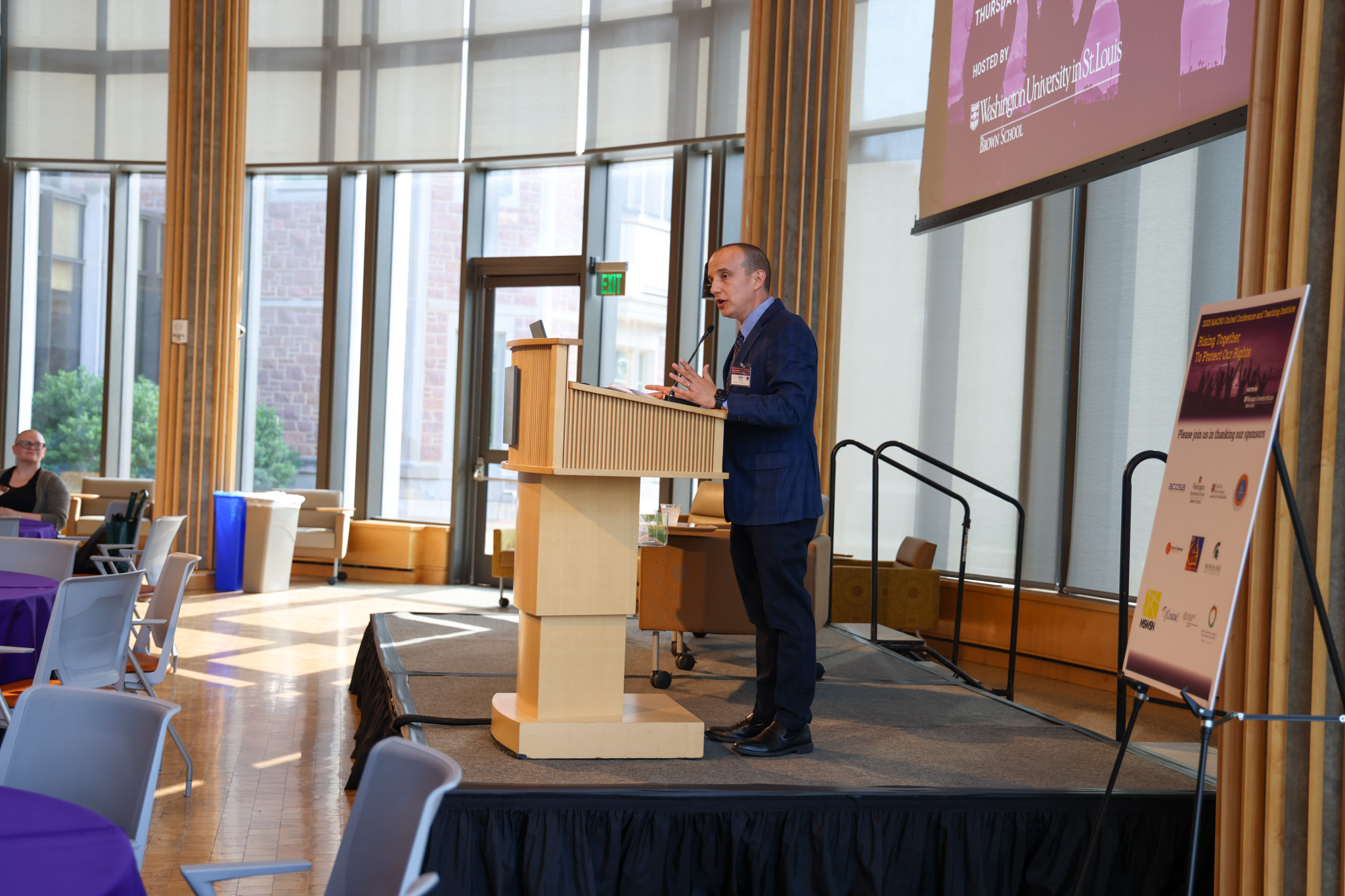
Gary Parker, director of the Clark-Fox Policy Institute and a conference organizer, underscored the significance of the event, stating, “The conference was not just an event; it was an occasion that united passionate individuals in a collective effort to build a more inclusive and equitable society.”
A conference highlight was the keynote speech delivered by Rebeccah L. Bennett, a renowned community builder and social entrepreneur. Bennett’s powerful address urged participants to go beyond systemic change and emphasized the essential role of restorative justice and healing in fostering lasting transformation.
Marshelia Harris, assistant professor in the Division of Social Work at Indiana University Northwest, both presented and actively engaged in the conference. She expressed her optimism about the conference’s impact, and called for increased organization and action, noting “The need to advocate more against the injustices happening across the United States. More people organizing and fighting for systemic change.”
She found the conference very rewarding, highlighting “The new friends that I met, the great conversations, hearing about the related and similarities of disadvantages, and the renewed strength to continue the fight.”
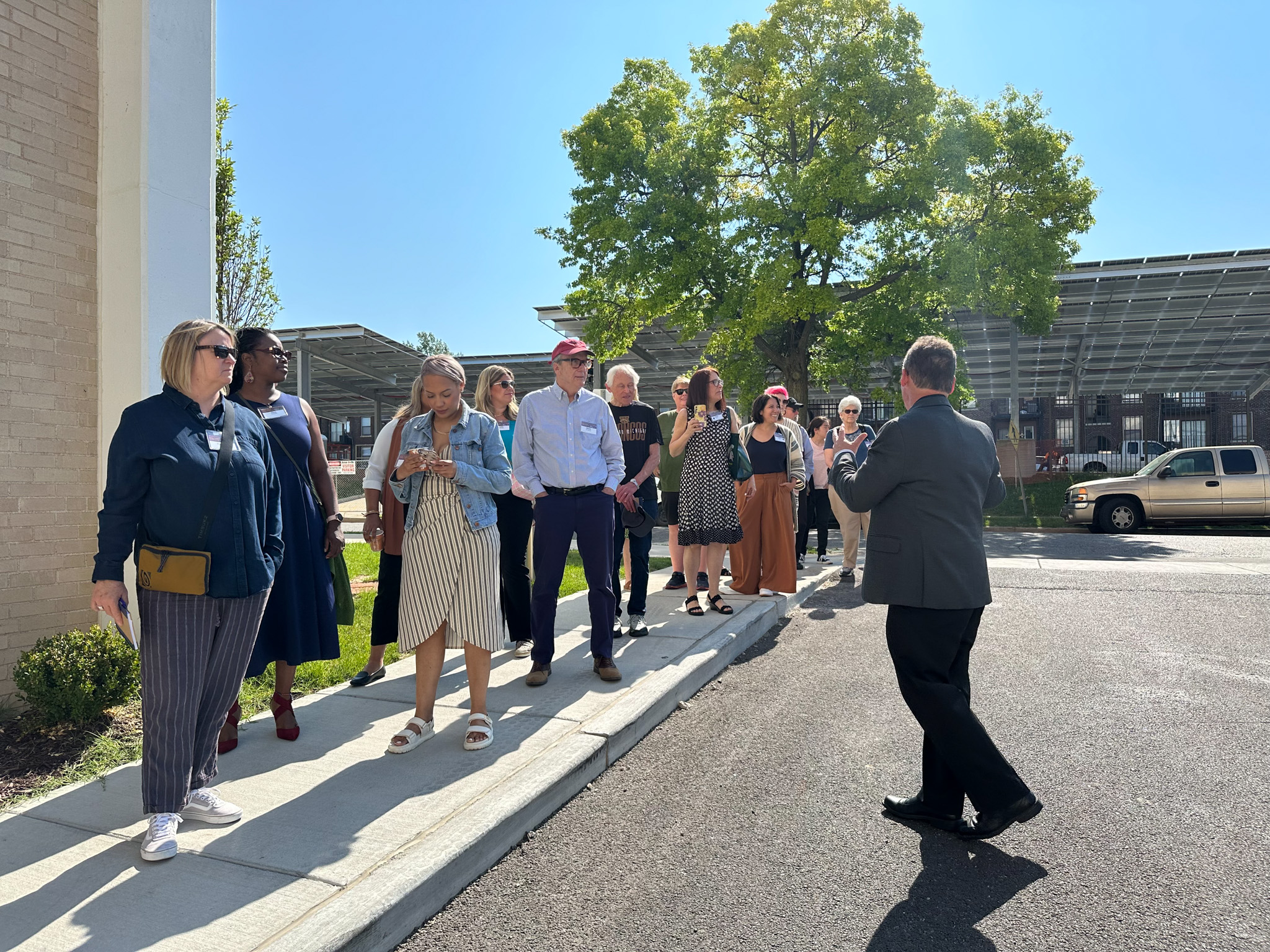
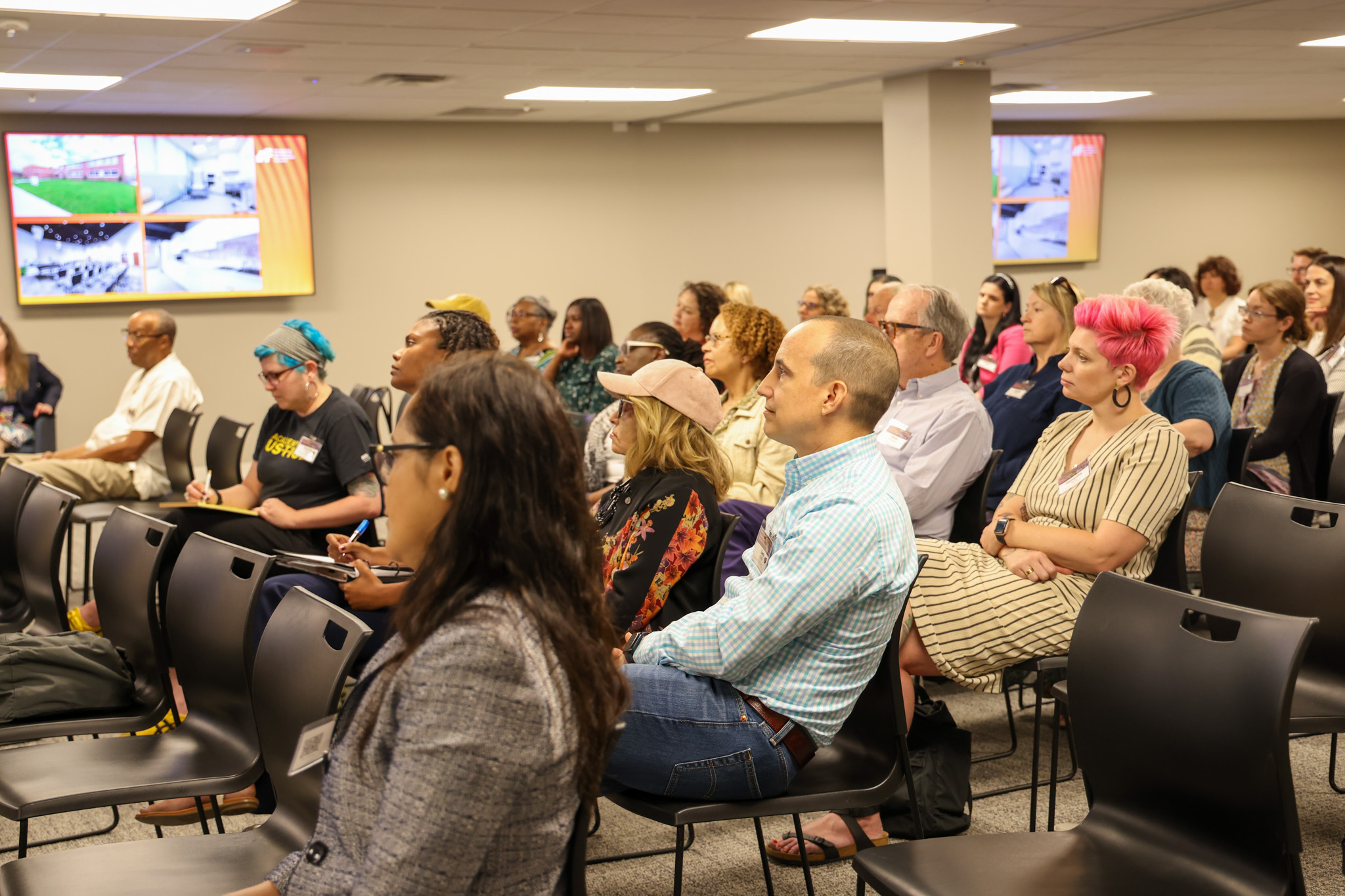
Adding to the conference’s success was a visit to Delmar DivINe, a revitalized hospital complex now serving as a hub for nonprofits, foundations and community support organizations. Maxine Clark, the founder of Delmar DivINe and Build-A-Bear Workshop, personally guided conference participants on a tour of the facility. Additionally, participants heard from a panel of local service providers on their efforts to address health, education, and economic disparities along geographic and racial lines.
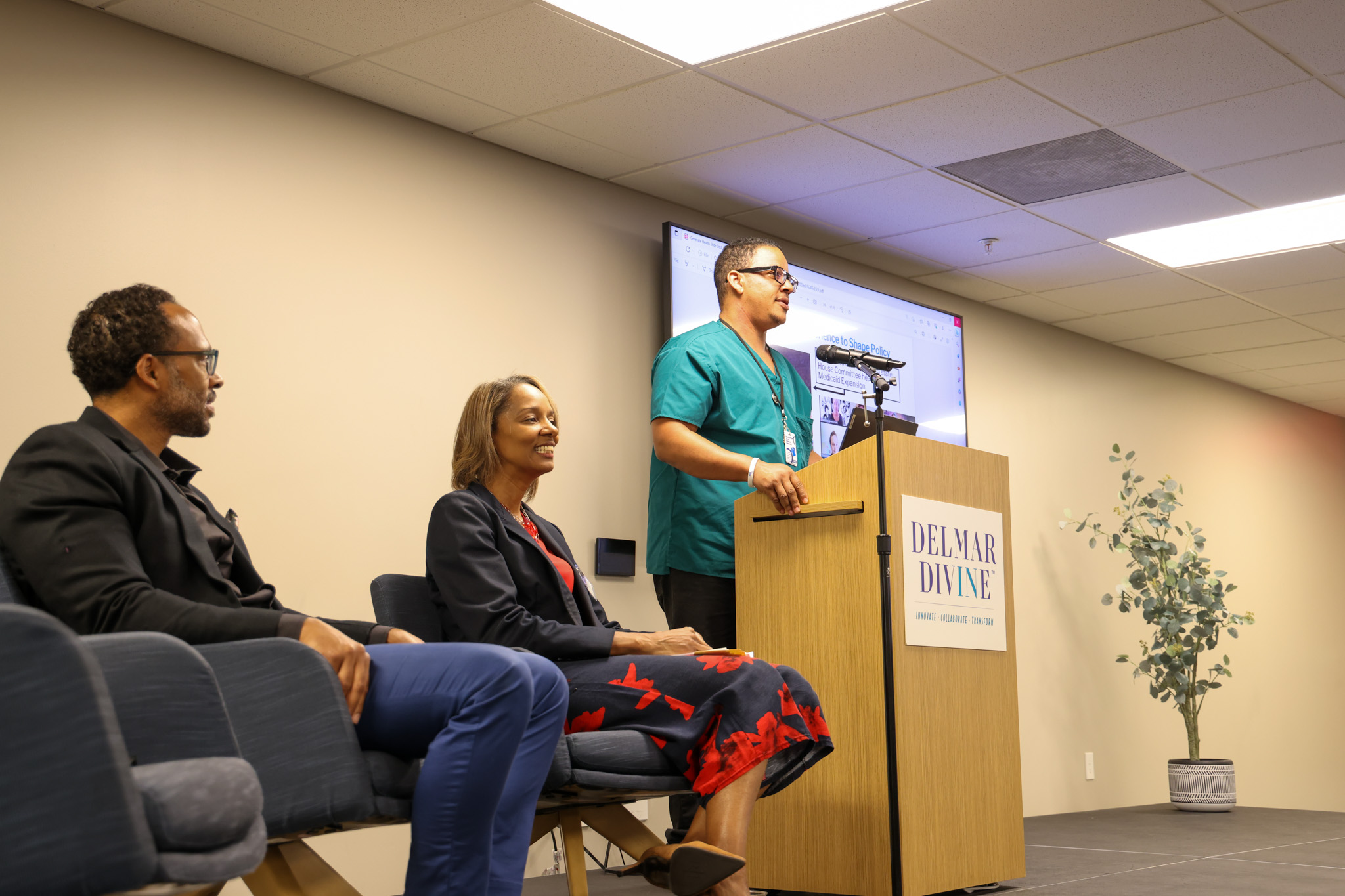
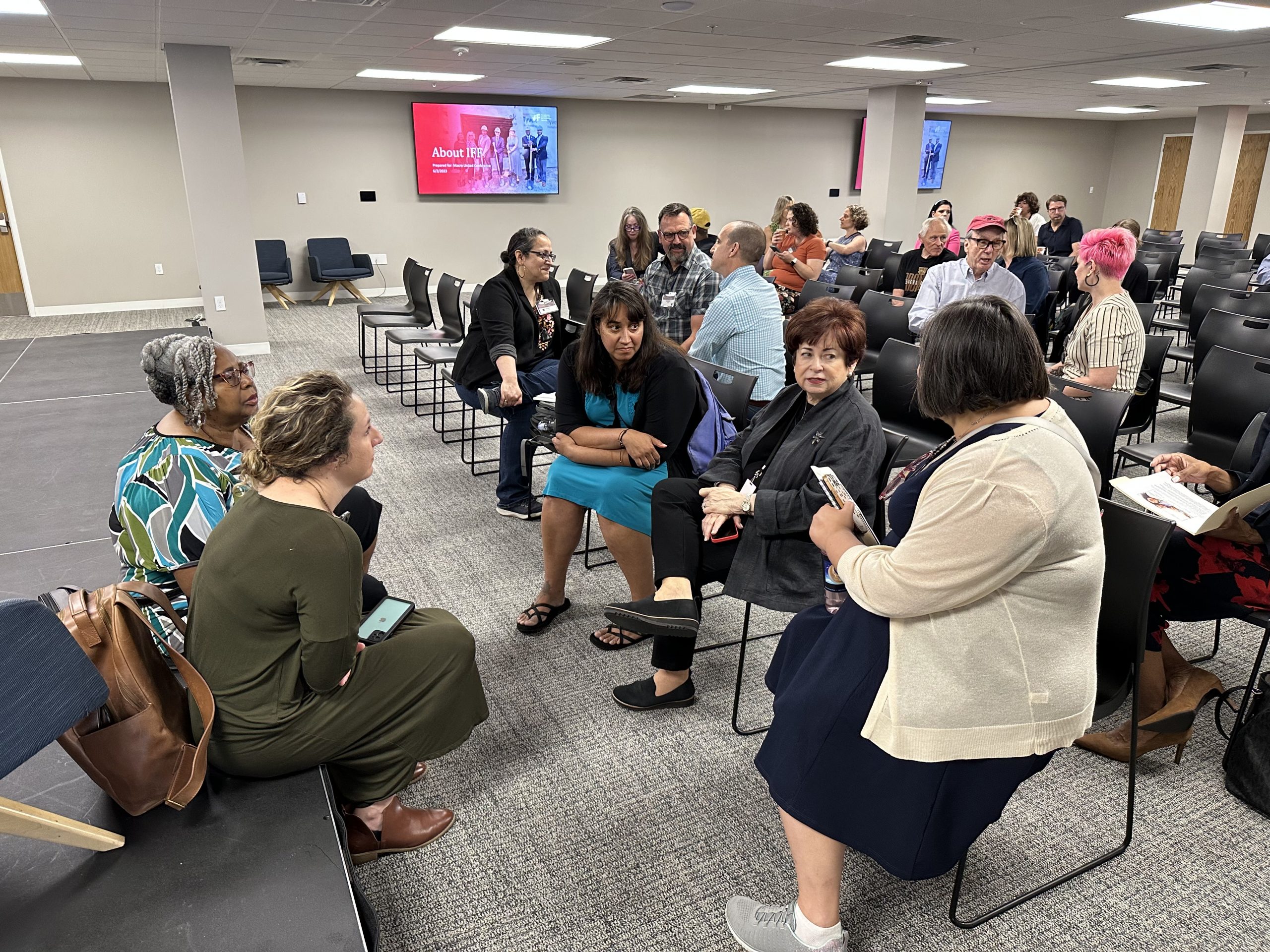
Duane R. Neff, associate professor in the social work department at Winthrop University and a conference organizer, said the visit to Delmar DivIne was profoundly impactful.
“It really energized attendees and informed conversations throughout the rest of the conference,” adding “We have already started talking about ways to further integrate the Delmar DivINe and its providers into next year’s conference.”