Joe Steensma, a professor of practice at the Brown School at Washington University in St. Louis, has been named a Royal Academy of Engineering Visiting Professor at The Engineering & Design Institute London (TEDI).
The professorship is part of the Royal Academy of Engineering’s visiting professorship initiative, which aims to enhance the learning experience of U.K. engineering students through providing them with additional mentorship and industry networking opportunities, as well as through the development of innovative engineering curricula.
Steensma will spend about 30 days a year for the next three years supporting TEDI-London through programming, events and expertise.
A scientist and entrepreneur who has founded and led several businesses focused on public health, Steensma joined the faculty at the Brown School to help commercialize some of the innovative products and services the school has developed. He teaches classes in biostatistics, environmental health and the public health implications of climate change.
Reading a drug label. Understanding forms. Paying medical bills. Managing a chronic condition. All of these situations require some degree of health literacy, the knowledge and skill needed to navigate the healthcare system. But health literacy isn’t explicitly taught, and the lack of it is a barrier for many people.
According to the Centers for Disease Control and Prevention, nearly 90% of Americans struggle to comprehend health information. Studies show it costs the United States billions of dollars annually and results in poorer health outcomes for many people.
“We’re pretty consistently giving people information at a level that’s not accessible to them, and then we blame them when they don’t understand it,” explains Catina O’Leary, MSW ‘99, PhD ‘07, President and CEO of Health Literacy Media (HLM), a St. Louis-based nonprofit organization focused on health literacy. To illustrate her point, she highlights the complexity of prescription labels. “On the front of the bottle, there’s a complex algebraic equation, a multi-step math problem that we ask people to decipher. The system was not set up to make it easy to understand.”
Doing just that – making the healthcare system easier to understand – has been O’Leary’s mission for over a decade. At HLM, she works with healthcare organizations, foundations and companies to demystify and deconstruct their health information in order to make it easier to understand and act upon. Using evidence-based health literacy practices and plain language principles, her team of writers, graphic designers and artists, and usability experts develop and test health education and clinical trial content in formats preferred by the intended audiences, including digital and social media, infographics, e-Learnings, and traditional paper-based patient-facing brochures and handouts.
HLM’s clients include global pharmaceutical companies, health care organizations, national healthcare foundations, State government agencies, and academic partners. For example, HLM recently redeveloped a full suite of health literate educational materials to support the patient journey in lung cancer from screening to biomarker testing and treatment in English and Spanish for a national foundation.
“Health literacy is more than replacing jargon with words everyone understands or teaching patients to ask questions of healthcare professionals,” O’Leary says. “What’s important about health literacy is meeting people where they are, helping them understand the information they need within their context, and supporting them in their decision-making process. That’s what this is about.”
“Other people are so good at that, and it just crushes me”
O’Leary’s journey to HLM was marked by transformative moments for which she is grateful. Initially aspiring to be a psychologist focused on treatment, she shifted gears after an undergraduate professor suggested a career in social work, recognizing O’Leary’s passion for social justice. Another turning point occurred during her first practicum at Barnes-Jewish Hospital’s chemical dependency unit.
“That’s when I discovered that I am a terrible social worker in that way. I’m the worst clinician on the planet because I want to fix problems and struggle to sit with people in pain while they work through their challenges. Other people are so good at that, and it just crushes me.”
Nevertheless, driven by a desire to help others, O’Leary redirected her focus toward research, which turned out to be a perfect fit for her. “I found that I really loved research and details,” says O’Leary, who spent over 12 years leading research efforts at WashU’s School of Medicine, coordinating studies on HIV prevention and drug abuse. When the lab she was working with relocated to Florida, she joined HLM.
O’Leary appreciates the unexpected turns her career has taken and advises future social workers not to become too fixated on a predetermined plan.
“The smartest thing I unintentionally did in my career was to embrace the opportunities. I didn’t get caught up in what I thought my path should be. It would have been easy and logical to say, ‘I’m not a good clinician. I’m out.’ But I had good mentors and good peers to help me try something different. And I happened to find something that I really love.”
In August 2023, Americans made nearly a million calls for help to the 211 emergency resources helpline, according to 211 Counts, a national tracking system in 36 states developed by the Brown School’s Health Communication Research Laboratory (HCRL) at Washington University in St. Louis.
Call volume increased 11% over July (872,079 vs. 785,654). August saw the most calls received in any month in 2023.
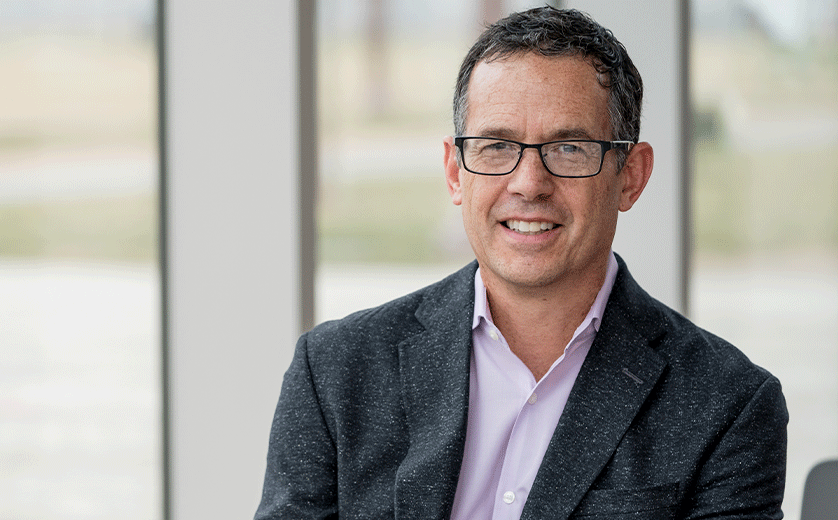
“There were a number of factors at play,” said Matthew Kreuter, the Kahn Family Professor of Public Health and senior scientist at HCRL.
“In some locations, we saw an increase in calls from people seeking relief from extreme heat and calls due to the wildfire in Maui and other natural disasters. Nationally, there was a big jump in calls for help with utility payments,” he said.
Each year, more than 16 million people in the U.S. dial 211 for help not only with emergency services requests, but also with basic needs such as food, shelter and clothing.
211 Counts is the first tool to provide real-time, searchable and visual presentations of data from 211 call centers across the nation.
In August, 211 call centers reported nearly 150,000 requests for utility payment assistance in August (up 22% over July) and over 280,000 requests related to housing, such as rent assistance (up 8% over July).
“Utility payments pose a particular challenge for many low-income families in the late summer after months of high cooling bills accumulate and result in delinquency,” Kreuter said.
After reaching their lowest point since the beginning of the pandemic, COVID-related calls to 211 increased 220% in August over July (1,845 vs. 577), coinciding with increased COVID cases nationally. Also higher in August than July were two seasonal requests related to children going back to school: school supplies (up 55%) and clothing (up 32%).
“In most communities, the level of need exceeds the capacity of local agencies to help,” Kreuter said. “That’s why data like these are so important to help communities prioritize how they allocate limited resources.”
In a study led by Morgan Shields, assistant professor at the Brown School, psychiatric patients who reported better patient-care experiences while hospitalized were more likely to report increases in trust in mental healthcare providers and willingness to voluntarily go to the hospital when in emotional or psychological distress. They were also more likely to report having a follow-up visit within 30-days of discharge.
Shields says the study, the first of its kind, suggests improvements to patient-centered care (PCC) during inpatient psychiatric treatment can reduce negative outcomes such as suicide, unplanned readmission, and missed follow-up appointments.
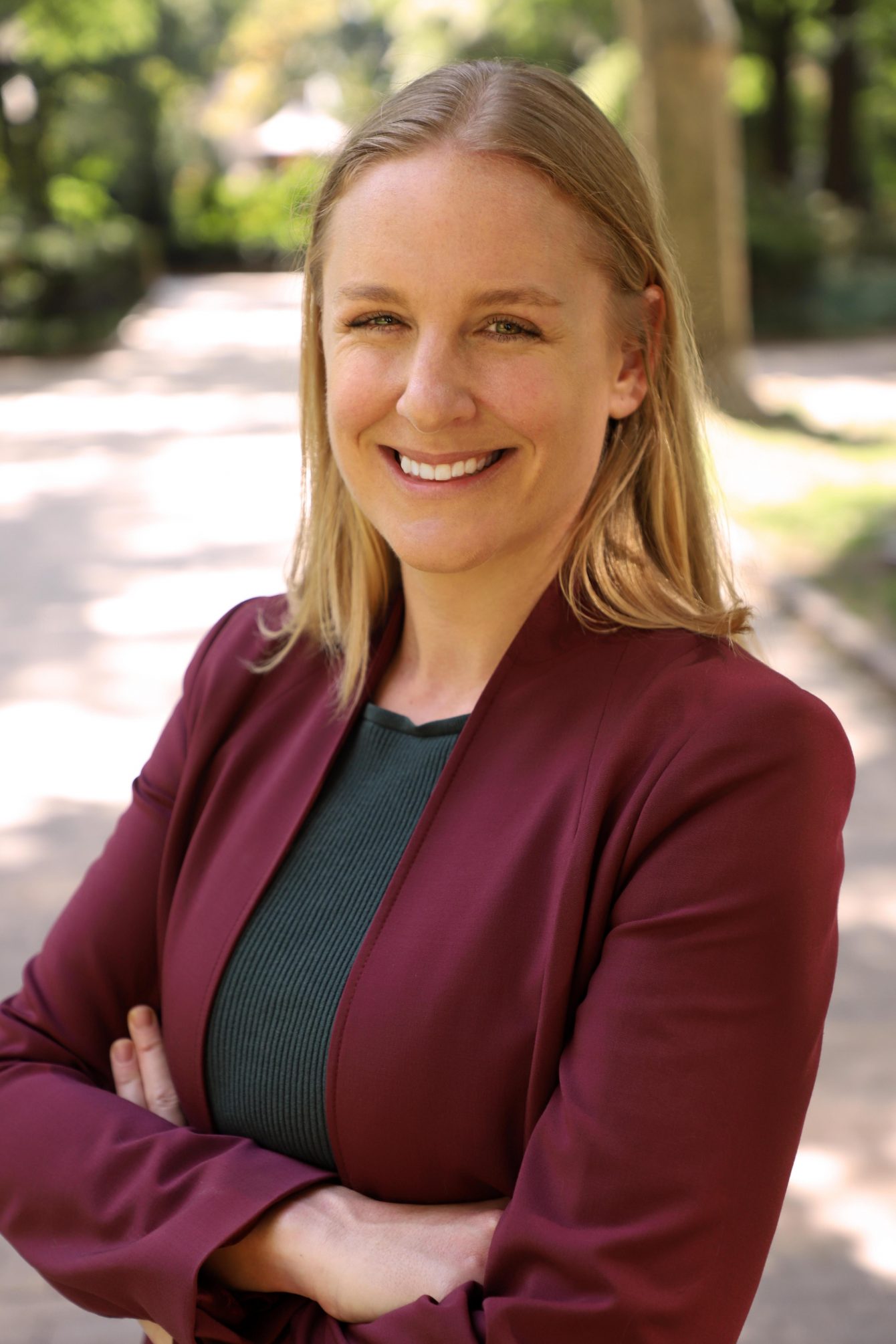
“Patient experience should be the central aspect of care and a measure that payers and regulators pay attention to,” she said. But research is lacking on the quality of inpatient psychiatric care and the frequency of unsafe settings that result in inappropriate use of medication, dehumanization of patients, the use of restraints and seclusion, as well as inattention to patients’ needs and preferences.
“There is a large body of evidence demonstrating that principles of patient-centered care – which are similar to those of trauma-informed care – reduce violence and the use of restraint and seclusion, which keeps both staff and patients safer,” she said. “The study’s findings held true for both patients hospitalized on a voluntary and involuntarily basis, suggesting that concerns over the validity of patient experience reports from those involuntarily hospitalized are not backed by evidence.
The research team conducted quantitative surveys of more than 700 psychiatric patients who had been hospitalized. The study was part of larger research that included asking patients about their experience and suggestions for improvement. Their most common complaint was generally related to disrespectful treatment. A few examples:
- “It was horrible and made me feel less than human. I will never ask for help in that way again, even at the very depths of desperation.”
- “What made me feel even more unsafe, though, was that there was one specific doctor who threatened to sedate anyone who even raised their voice at him. People were being sedated left and right, even at times that I felt were inappropriate.”
- “I needed personalized and individual help, and I didn’t receive that. I left feeling not helped at all. I was literally dropped off and forgotten”
Shields’s study, published in Health Affairs Scholar, also found that patient-centered care was higher among patients at nonprofit hospitals than at for-profit facilities, which is important to consider given the rise in for-profit ownership of psychiatric facilities; PCC was also associated with many facility-level quality measures, suggesting that patient-reports of their care may be valid signals of the overall quality of care in a hospital.
Shields offers a small but telling example of the potential impact:
“A patient is used to going to the refrigerator for apple juice at 11 p.m. when at home in the community, but while in the hospital, the staff tell the patient that there is a hard policy against drinking anything but water after 11 p.m. This policy is unnecessary and has no therapeutic value. In fact, it can agitate the patient, cause staff to raise their voice and escalate the situation, and could result in restraint and consequences like physical harm or trauma. Doctors should be speaking with patients about past treatments, their desires, and preferences, and create a treatment plan in cooperation with a patient.”
The study notes that while humane treatment of patients produces better outcomes, it is also an end in itself. Findings suggest that the systematic collection of data at a national level will enable rigorous research and accountability and can help identify strategies to improve quality of care in psychiatric treatment both in and out of hospitals.
That collection of data is on the way. It was required by Congress, which passed legislation in 2022. The new law says the Centers for Medicare & Medicaid Services (CMS) must start collecting patient-experience information from inpatient psychiatric facilities in hospitals, who had been the only facilities excluded from such requirements. CMS, part of the U.S. Department of Health and Human Services, will publish a final rule in October to give hospitals time to prepare.
“This is a big deal,” said Shields, whose work has focused on policy changes like the Congressional action, that she outlined recently in a column published in The Milbank Quarterly.
Shields said she has been motivated to conduct this research given her own experiences of abusive treatment inside of institutional settings when she was young, by the experiences of family members, and by the many people who have shared their experiences with her. “These places can be a source of trauma, rather than healing, as it was for me,” she said, adding that she was inspired by an undergraduate mentor who told her: “If you can convince people they should listen to patients of inpatient psychiatry, you will have had a successful career.”
The Brown School is fortunate to welcome six new faculty members in the 2023-2024 academic year. They add their expertise, research and teaching to our vibrant community, and help us deepen our dedication to equity and impact locally, nationally and globally.
Meet all of them below.
Theresa Anasti, assistant professor tenure track, focuses on understanding the role of nonprofit and community-based organizations in bettering the conditions for underrepresented populations. She is especially interested in the role of such organizations in working with and for “unpopular” and criminalized populations stigmatized by wider society, including sex workers, active drug users, and the unhoused. Past work has included a large-scale qualitative project of relationships between mainstream human service nonprofits and a sex workers’ rights organization. Emerging work includes a qualitative study of individuals working at syringe service programs, and how they have adapted to changes in the field’s political and funding environments.
Andrea L .S. Bulungu, assistant professor research track, is a public health nutrition researcher based in Uganda, and Research Assistant Professor with the E3 Nutrition Lab at the Brown School. Andrea’s work focuses on research methods and interventions for addressing the drivers of maternal and child nutrition in resource-poor settings. She is a long-time nutrition consultant for the World Bank, and has also consulted for ILRI, ICF International, and FAO, among others.
Paz Galupo, professor tenure track, is the inaugural Audre Lorde Distinguished Professor of Sexual Health and Education. Paz’s research interests focus on the intersection of sexual orientation and gender identity, with a particular focus on understanding nonbinary expressions of bisexual and trans experience. Paz’s long-standing research program centers those most marginalized in the LGBTQ+ community (i.e., transgender, bisexual, and LGBTQ+ Black, Indigenous, and People of Color [BIPOC]).
Rachel Garg, assistant professor research track, examines the impact of individual-level unmet social needs – such as housing instability and food insecurity – on health outcomes and behaviors such as smoking cessation. She seeks to build theory around mechanisms linking social needs and health to inform future intervention development to address social needs and reduce health disparities.
Octavio Mesner, assistant professor research track, focuses on the intersection of methods and LGBTQ+ health, particularly in non-parametric causal discovery. He completed a joint PhD at Carnegie Mellon University in the departments of Statistics and Data Science, and Engineering and Public Policy. Prior to his doctoral work, Octavio worked as a biostatistician in HIV/STI research.
Dorian Traube is the Neidorff Family and Centene Corporation Dean of the Brown School and a professor. Her research focuses on early child development, home visitation and telehealth solutions for families with young children. Traube developed Parents as Teachers@USC Telehealth, the first partnership of its kind between a national home visitation model and a university-based telehealth clinic. In doing so, she also established the first virtual home visitation program, offering a reliable home visitation model via video conferencing technology.
Congratulations to the following faculty members who have successfully transitioned from the research track to the tenure/tenure track. The changes were effective August, 1, 2023.
Jason Jabbari, assistant professor tenure track, leads the education research portfolio at the Social Policy Institute , where he examines how policies, programs, and practices interact with social and environmental contexts and relate to equity and excellence in academic and economic trajectories. As the Associate Director of Community Partnerships at SPI, he cultivates partnerships with a variety of community organizations to help them understand and solve pressing social problems.
Maura Kepper, assistant professor tenure track, conducts research to reduce the burden of the social, economic, and environmental conditions that can negatively impact the health of individuals and communities. Her research intersects behavioral health, informatics, and dissemination and implementation research. She works with the teams of both the Prevention Research Center and the Institute for Informatics.
Rebecca Lengnick-Hall, assistant professor tenure track, research interests focus on helping and empowering organizational leaders and staff as they implement and sustain new evidence-based practices. Her work has been supported by the National Institute of Mental Health, Implementation Research Institute, and the IDEAS NIMH-funded ALACRITY Center.
Stephanie Mazzucca, assistant professor tenure track, focuses her research on developing and evaluating evidence-based approaches for promoting healthy eating and physical activity to prevent chronic diseases such as obesity, diabetes and cancer. A member of the Prevention Research Center, her work focuses on improving home environments, as well as organizations such as public health departments and childcare centers, to support healthy behaviors for populations at risk of chronic disease.
Virginia “Ginger” McKay, assistant professor tenure track, focuses her research on the dissemination and implementation of evidence-based practices addressing HIV prevention, especially the sustainability and de-implementation of interventions. Working within the Brown School’s Center for Public Health Systems Science, she supports the center’s projects related to evidence-based public health and systems science. She also consults through the Dissemination and Implementation Research Core at the WashU School of Medicine.
Diana Parra Perez, assistant professor tenure track, focuses her research on the promotion of health and wellness through community based programs for physical activity, nutrition, yoga, and mindfulness, geared towards marginalized, underrepresented, and oppressed minorities, particularly the Latinx immigrant population in the United States. She is also a yoga and mindfulness teacher and a mindfulness facilitator for the Academy for Diversity, Equity and Inclusion.
Stephen Roll, assistant professor tenure track, focuses his research on promoting asset building, debt management, and economic security in lower-income populations. Working within the Social Policy Institute, where he is the Associate Director of Research, he is involved in research on child savings, food insecurity, and the role of financial technology services in promoting financial well-being.
Joshua Rusow, assistant professor tenure track, focuses his research primarily on the health and wellbeing of sexual and gender minority youth and young adults — understanding how experiences of stigma and discrimination are associated with relationships, behavior, and mental, physical, and sexual health.
Rachel Tabak, associate professor tenure track, is a part of the Prevention Research Center and the Centene Center for Health Transformation, and works in obesity prevention and community-based physical activity and nutrition strategies. She is also interested in dissemination and implementation research. With a strong background in nutrition, Tabak is involved in research studies examining interventions to promote healthy nutrition and activity behaviors in families, particularly in the home environment.
Nhial Tutlam, assistant professor tenure track, centers his research on the intersection of mental health impact of war trauma and risk of health outcomes such as suicide, substance use and HIV among youth affected by conflict, with the aim of developing and testing culturally congruent community-based interventions to address the myriad of mental health challenges in this vulnerable population both in refugee settlements and resettlement settings. Tutlam’s work is conducted through the International Center for Child Health and Development (ICHAD).
Fred Ssewamala, the William E. Gordon Distinguished Professor at the Brown School and director of the International Center for Child Health andDevelopment, and Byron Powell, co-director of the Brown School’s Center for Mental Health Services Research, all at Washington University in St. Louis, have won a five-year $3.5 million grant from the Eunice Kennedy Shriver National Institute of Child Health & Human Development, part of the National Institutes of Health (NIH), for a new study in Uganda.
Noeline Nakasujja at Makerere University in Uganda is also part of the grant team.
The new study, Bridges2Scale (2023-28), will examine the use of implementation strategies to best support the implementation, scale-up and sustainment of the “Bridges to the Future” intervention.
Bridges is a multi-component economic empowerment intervention that has demonstrated effectiveness on HIV prevention, care and support in four NIH-funded randomized control trials in Uganda and one foundation-funded study in Kenya.
Learn more on the ICHAD webpage.